


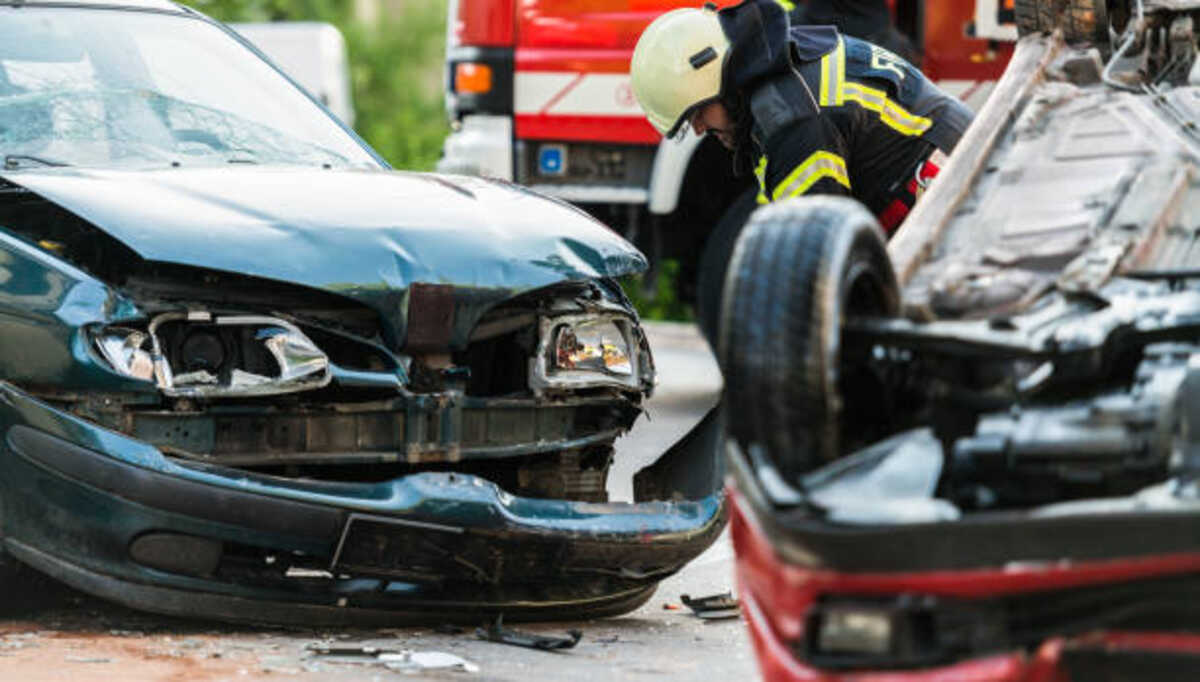
Traffic collisions may look similar at first glance, but the type of vehicle involved can change almost everything about how a claim unfolds. Delivery vehicles operate under different rules, insurance structures, and business pressures than personal cars. Understanding these differences helps injured individuals in Huntsville AL recognize why delivery-related crashes often require a very different legal approach than standard passenger car accidents.
Delivery Crashes Often Involve Company Insurers Not Personal Ones
Delivery drivers are typically covered by commercial insurance policies tied to the business they work for, not their personal auto insurance. These policies are designed to protect companies from risk, which means claims are often handled by corporate insurers with experienced defense teams. The process can feel more formal and less flexible than dealing with an individual driver’s insurer.
Commercial insurers also investigate aggressively. They may review driver schedules, delivery routes, and internal policies before making any decision. Auto accident lawyers near me often see these insurers move quickly to control information and limit exposure, which can complicate early settlement discussions.
Passenger Car Claims Focus on Individual Drivers’ Actions
Passenger car accident claims usually center on what one or more individual drivers did wrong. Speeding, distraction, failure to yield, or impaired driving are common focal points. These cases often rely heavily on eyewitness accounts, police reports, and traffic laws. Because responsibility is personal, the scope of investigation tends to be narrower. A car accident lawyer near me typically evaluates fault based on the moment of impact rather than broader employment or business factors. This can make passenger car claims more straightforward in structure, even if injuries are serious.
Delivery Vehicles Come with Commercial Policy Limits and Rules
Commercial insurance policies often carry higher coverage limits than personal auto policies. While that can increase potential compensation, it also brings stricter rules and more layers of review. Insurers may require extensive documentation before acknowledging liability.
These policies may include exclusions or conditions tied to how the vehicle was being used. Auto accident lawyers near me pay close attention to whether the driver was actively working, off the clock, or performing tasks outside approved duties at the time of the crash.
Truck and Fleet Logs Become Key Evidence After Delivery Wrecks
Delivery vehicles are frequently tracked through logs, GPS systems, and electronic data. These records can show speed, braking, routes, and hours worked. In delivery crashes, this information often becomes central evidence. Fleet logs can confirm whether a driver was rushing to meet deadlines or violating safety rules. Personal injury cases involving delivery vehicles often hinge on data that simply does not exist in standard passenger car crashes.
Passenger Crashes Typically Deal with Personal Injury Details
In passenger car accidents, the focus often shifts quickly to injury severity and recovery. Medical records, treatment plans, and long-term effects form the backbone of the claim. The driver’s employment status rarely matters.
These cases emphasize how injuries affect daily life. Car accident lawyer near me consultations often revolve around pain levels, missed work, and future medical needs rather than corporate policies or operational records.
Liability in Delivery Cases Can Include Employer Responsibility
Delivery vehicle claims frequently involve employer liability. If a driver was acting within the scope of employment, the company may share responsibility for the crash. This concept, known as vicarious liability, expands the number of parties involved.
Employer responsibility can also arise from poor training, unrealistic delivery schedules, or failure to maintain vehicles. Auto accident lawyers near me evaluate not only the driver’s conduct but also the business decisions behind it.
Passenger Car Claims Usually Settle Around Human Fault Issues
Passenger car cases often settle based on clear human error. One driver ran a red light, followed too closely, or failed to check blind spots. These scenarios are familiar to insurers and courts alike.
Because the issues are more narrowly defined, negotiations may move faster. Personal injury claims from passenger crashes still require careful handling, but they typically lack the added complexity of corporate accountability.
Delivery Vehicle Claims May Include Wrongful Delivery Status Disputes
One common dispute in delivery cases involves whether the driver was truly on duty. Companies may argue the driver was between deliveries or using the vehicle for personal reasons to avoid liability.
Resolving this issue requires careful review of schedules, dispatch records, and company policies. Auto accident lawyers near me often challenge these arguments by showing how delivery work realistically operates, especially under time pressure.
Settlement Values Differ When a Business Fleet Is Involved
Settlement values in delivery vehicle cases can be higher due to commercial policy limits and employer involvement. At the same time, these cases may take longer because insurers resist paying large claims without extensive review.
Passenger car settlements are usually constrained by personal policy limits. While resolution may come sooner, compensation may also be more limited. Understanding these differences helps injured individuals set realistic expectations early.
Delivery vehicle accident claims demand careful investigation, strategic planning, and a clear understanding of commercial insurance dynamics. You can trust Wolfe Jones to step in and sort through the complex issues that follow a trucking accident. Their team understands how commercial insurance policies, driver logs, and company liability intersect, and they know how to identify where responsibility truly lies. By focusing on thorough investigation and clear legal strategy, Wolfe Jones works to protect injured individuals and pursue outcomes that reflect the full impact of a serious trucking collision.
