


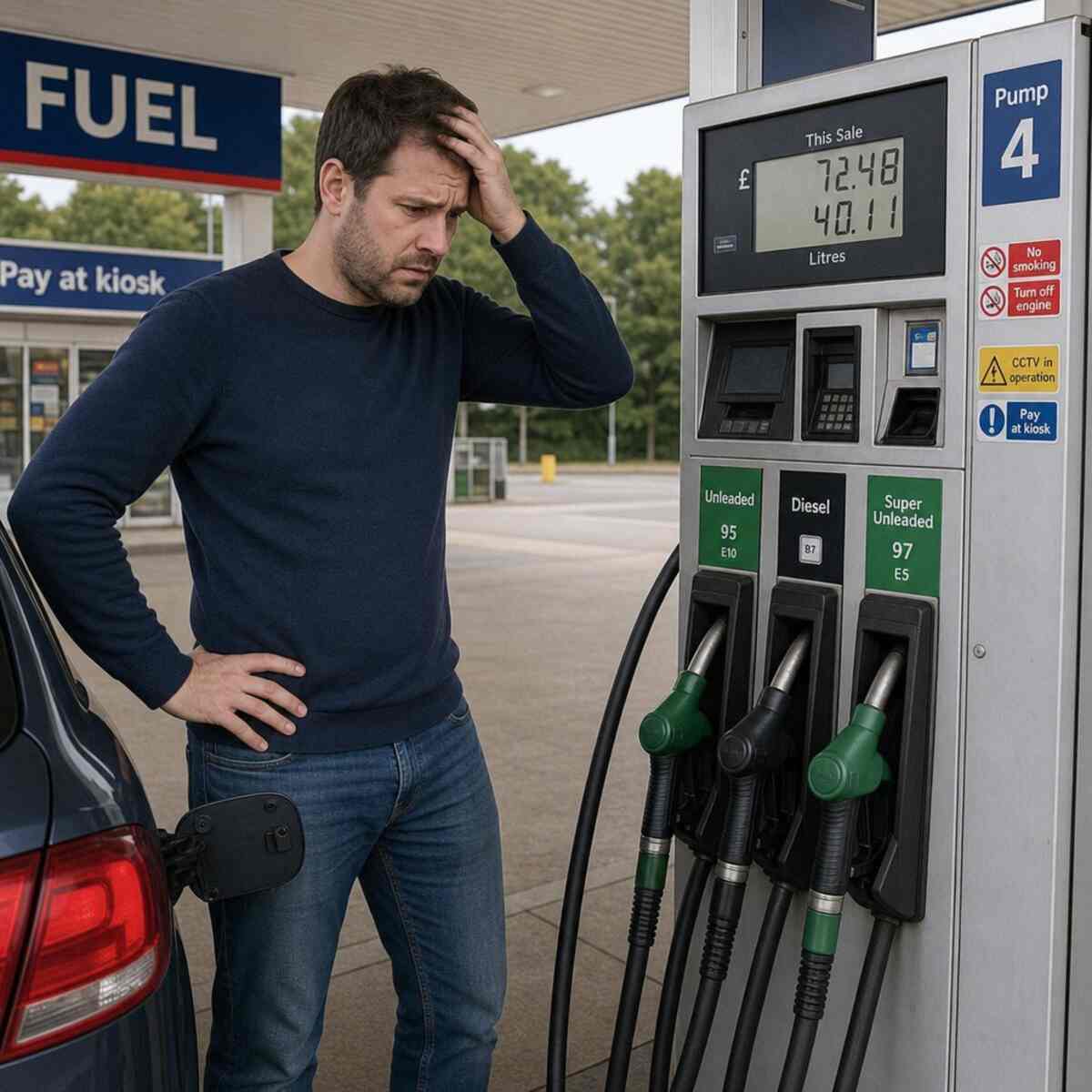
It happens in a split second. You are distracted by a phone call, tired after a long day at work, or driving an unfamiliar rental car. You reach for the pump, squeeze the nozzle, and watch the numbers tick up. Then, your stomach drops. You realize you have just put the wrong fuel into your vehicle. Read the Best info about Wrong Fuel Draining.
If this has happened to you, take a deep breath. You are not alone. Every single day, thousands of motorists make this exact same error. While it is undoubtedly a stressful situation, the automotive industry has developed rapid, highly effective solutions to get you back on the road.
However, one of the first questions that rushes to a driver’s mind is about the financial impact. Understanding the costs associated with wrong fuel draining services is crucial for managing the situation efficiently. This comprehensive guide will walk you through everything you need to know about misfuelling—from immediate actions and the mechanics of engine damage to navigating insurance and calculating the exact costs of repairing your vehicle.
The Panic at the Pumps: Understanding Misfuelling
Misfuelling is incredibly common. The varying sizes of fuel pump nozzles are designed to prevent mistakes—for instance, a diesel nozzle is typically thicker than a petrol one, making it difficult to accidentally put diesel into a petrol car. However, a thinner petrol nozzle slides perfectly into a diesel filler neck, which is why putting petrol in a diesel car is the most common form of misfuelling.
What to Do If You Misfuel
If you realize your mistake before starting the engine, you have saved yourself a significant amount of money and stress. Here are the immediate, crucial steps outlining exactly what to do if you misfuel:
- Do Not Start the Engine: This is the golden rule. Do not even put the key in the ignition to turn on the radio or roll up the windows. In modern cars, turning the key to the “on” position primes the fuel pump, immediately sending contaminated fuel into the fuel lines.
- Inform the Petrol Station Staff: Let the attendants know what has happened. They deal with this regularly and will put safety cones around your vehicle.
- Put the Car in Neutral: If you need to move the car away from the pump to free up space, put it in neutral and ask for help to physically push it to a safe parking bay.
- Call for Professional Help: Reach out to a mobile fuel recovery service or your breakdown provider immediately.
The Mechanics of the Mistake: Petrol vs. Diesel
To understand why wrong fuel draining is a specialized and sometimes costly service, you must understand how different fuels interact with different engines.
Petrol in Diesel Engine Consequences
Putting unleaded petrol into a diesel engine is highly destructive. Diesel fuel is not just a combustible liquid; it acts as a crucial lubricant for the high-pressure fuel pump and the fuel injectors.
Petrol, on the other hand, acts as a harsh solvent. When petrol enters a diesel system, it aggressively strips away the lubricating layer of diesel. The immediate petrol in diesel engine consequences include metal-to-metal friction within the fuel pump. As the pump grinds against itself, it creates microscopic metal shavings. These metallic shards are then pushed through the fuel lines into the highly sensitive fuel injectors, causing catastrophic blockages and internal damage. If left unchecked, the engine will seize entirely, leading to repair bills that can easily total thousands of dollars.
Diesel in Petrol Car Repair Steps
While less common, putting diesel in a petrol car still causes severe operational issues. Because diesel is heavier, thicker, and less volatile than petrol, a petrol engine’s spark plugs cannot ignite it.
If you attempt to drive, the car will quickly choke, sputter, and stall. The diesel coats the spark plugs and clogs the fuel system. While the internal mechanical damage is usually less severe than the reverse scenario, the diesel in petrol car repair steps are still extensive:
- Complete drainage of the fuel tank.
- Flushing the fuel lines to remove the heavy diesel residue.
- Removal and thorough cleaning (or replacement) of the spark plugs.
- Replacing the fuel filters.
- Refilling with pure, high-octane petrol and running an engine diagnostic to ensure no misfires remain.
Running a Car on Mixed Fuel: A Dangerous Myth
A common piece of terrible advice found on internet forums suggests that if you only put a “little bit” of the wrong fuel in, you can just fill the rest of the tank with the correct fuel and “burn it off.”
Running a car on mixed fuel is highly ill-advised. Modern combustion engines are incredibly precise, relying on exact air-to-fuel ratios and specific fuel combustion temperatures. Even a 5% petrol mix in a modern common-rail diesel engine can alter the fuel’s flash point enough to cause premature detonation (engine knocking), severe overheating, and irreversible damage to emission control systems, such as the Diesel Particulate Filter (DPF) or the catalytic converter.
Early Warning Signs: Did You Put the Wrong Fuel In?
Sometimes, you don’t realize you picked up the wrong nozzle until you are already driving down the highway. Because the fuel lines and filter usually hold a small reserve of the correct fuel, the car may drive perfectly fine for a mile or two before the wrong fuel reaches the engine.
Symptoms of Contaminated Fuel
If you have driven off, pay close attention to how your vehicle is behaving. The symptoms of contaminated fuel manifest rapidly:
- Violent Shuddering and Jerking: The engine will struggle to ignite the mixed fuel, resulting in a severe loss of power and violent jerking.
- Excessive Exhaust Smoke: A diesel car running on petrol may produce white smoke, while a petrol car struggling with diesel will produce thick, black, sooty smoke.
- Loud Knocking Noises: This is the sound of premature fuel detonation inside the cylinders, which can bend engine rods if ignored.
- Engine Warning Lights: Your dashboard will likely light up like a Christmas tree, displaying “Check Engine” or “Water in Fuel” warnings.
- Sudden Stalling: The vehicle will eventually lose all power and shut down, often refusing to restart.
Signs of Fuel Pump Damage
If you drove a diesel vehicle with petrol in the tank, your primary concern is the high-pressure fuel pump. The signs of fuel pump damage include a whining noise from the back of the car (where the tank is located), an engine that cranks but won’t start, and a sudden loss of acceleration just before the car stalls. If a mechanic inspects the fuel filter and finds a glittery substance (metal shavings), the pump is already destroyed.
The Financial Impact: Breaking Down the Costs
Let’s address the primary concern: how much will this cost? The financial impact of misfuelling varies drastically depending on whether you catch the mistake before starting the engine, the type of vehicle you drive, and the specific service you call.
Basic Wrong Fuel Draining vs. Comprehensive Fuel Tank Cleaning
If you realized your error at the pump and did not turn the key, you are looking at a basic wrong fuel draining service.
- Cost Estimate: Generally, a straightforward extraction at the petrol station will cost between $150 and $300 (£130 to £250 / €150 to €300).
- What it includes: The technician will arrive, insert a specialized suction hose into your filler neck or access the tank via the back seat, pump out the contaminated fuel into a safe transport vessel, and prime your system with fresh fuel.
However, if you started the engine and drove the car until it stalled, a simple drain is no longer sufficient. You will require comprehensive fuel tank cleaning and a full system flush.
- Fuel System Flush Cost: Because the contaminated fuel has traveled through the pumps, lines, and injectors, the entire pathway must be chemically cleaned. The fuel system flush typically costs $400 to $800. This process is highly labor-intensive and requires specialized diagnostic tools to manually override the fuel pump relay to purge the lines.
Hidden Costs: Replacing Fuel Filters After Misfuelling
One cost that catches many drivers off guard is the cost of part replacement. When contaminated fuel runs through your system, the fuel filter absorbs a massive amount of the improper liquid and any debris it loosens.
Replacing fuel filters after misfuelling is a non-negotiable step if the engine was started. A compromised filter will continue to leach the wrong fuel into your fresh fuel even after a drain. Depending on your car make and model, a new fuel filter and the labor to install it can add anywhere from $50 to $200 to your final bill.
Towing vs. Mobile Fuel Recovery Service
Historically, if you misfueled, your only option was to call a tow truck, drag your car to a local dealership or mechanic, and wait days for them to fit you into their schedule. This resulted in towing fees, days without a vehicle, and premium garage labor rates.
Today, the most cost-effective and efficient solution is a mobile fuel recovery service. These are specialized, custom-built vans equipped with industrial, ATEX-approved pumping equipment.
- The Advantage: They come directly to you—whether you are stuck at pump number 4, parked on the side of a highway, or stranded in your driveway.
- The Cost Savings: By opting for mobile wrong fuel assistance, you instantly eliminate the $100-$200 towing fee. Furthermore, mobile units usually complete the job in 40 to 60 minutes, saving you the expense of a rental car.
The Recovery Process: How Experts Fix the Problem
If you have never utilized an emergency roadside fuel extraction service, you might be curious as to what you are actually paying for. It is a highly regulated, hazardous material handling process.
The Professional Fuel Evacuation Process Explained
When the technician arrives, they follow a strict, standardized professional fuel evacuation process to ensure your vehicle is safe to drive and the environment is protected.
- Safety Assessment: The technician secures the area with cones and fire extinguishers, as handling mixed volatile fuels in an open environment poses a high fire risk.
- Accessing the Tank: Depending on the vehicle’s anti-siphon mechanisms, the technician will either feed a thin, specialized hose down the fuel filler neck or access the fuel sender unit directly by removing the rear passenger seats.
- Complete Extraction: Using a high-powered pneumatic pump, the wrong fuel is drained entirely into a certified waste tank in the back of the recovery van.
- Flushing the Lines (If Necessary): If the car was started, the technician will disconnect the fuel lines from the engine block and use fresh fuel to flush out the contaminated mixture.
- Filter Change and Priming: The fuel filter is replaced, and the technician adds roughly 10 to 20 liters of the correct fuel to the tank.
- Bleeding the System: Diesel systems, in particular, cannot have air in the lines. The technician will manually bleed air from the system to ensure fresh fuel reaches the injectors.
- Engine Restart and Diagnostics: The car is started. It may sputter for a moment as the last microscopic drops of mixed fuel burn off, but it will quickly settle into a smooth idle. Diagnostic tools are used to clear any engine error codes.
Emergency Roadside Fuel Extraction
Getting stuck on a busy road due to misfuelling is a severe safety hazard. Emergency roadside fuel extraction units prioritize these calls. Because they carry flashing amber lights, high-visibility markings, and heavy-duty safety gear, they can safely perform a fuel drain on the shoulder of a highway, preventing the need for an expensive police-coordinated tow.
How to Siphon Fuel From Tank (And Why You Shouldn’t DIY)
A quick internet search might yield dozens of tutorials on how to siphon fuel from a tank using a garden hose and a jerry can. Do not attempt this.
Attempting DIY wrong-fuel draining is dangerous and practically impossible on modern vehicles. Here is why:
- Anti-Siphon Valves: Since the early 2000s, almost all vehicles feature anti-siphon rollover valves in the filler neck. A garden hose simply will not get past these valves. Pushing too hard will break the valve, resulting in a $500 repair bill just for the fuel tank neck.
- Health and Safety: Sucking on a hose to create a vacuum can easily lead to swallowing highly toxic fuel, leading to chemical pneumonia or poisoning.
- Environmental Fines: Mixed fuel is classified as hazardous waste. If you manage to drain 50 liters of contaminated fuel into buckets, you cannot simply throw it away. Disposing of it illegally carries massive environmental fines. Professional services are legally licensed to transport and recycle this hazardous waste.
Who Pays the Bill? Insurance and Breakdowns
When faced with a sudden $300 to $800 bill for draining the wrong fuel, motorists immediately wonder whether they can claim the expense. The answer lies in the fine print of your automotive policies.
Understanding Fuel Contamination Insurance Coverage
Whether your standard car insurance will cover the costs of misfuelling is a grey area. Historically, insurance companies viewed misfuelling as an act of driver negligence and categorically denied claims.
However, as the issue has become more prevalent, fuel contamination insurance coverage has evolved.
- Accidental Damage: Some comprehensive auto insurance policies cover misfuelling under the “accidental damage” clause. If you destroy your engine by running a diesel car on petrol, your insurance might cover the $5,000 engine rebuild, minus your deductible.
- The Catch: Claiming on your insurance will almost certainly result in the loss of your “No Claims Bonus” and will spike your future premiums. For a $250 roadside drain, it is almost never mathematically viable to go through your main insurance provider.
Navigating Breakdown Cover for Misfuelling
If you have a roadside assistance policy (such as AAA, AA, RAC, or Green Flag), you might assume you are fully covered. You need to check your specific policy tier immediately.
- Basic Breakdown Cover: Basic tiers usually do not cover the cost of draining the wrong fuel. They may cover the cost of towing your vehicle to a garage, but the actual extraction and fuel disposal costs will come out of your pocket.
- Premium Policies: Many breakdown providers now offer specialized breakdown cover for misfuelling as an add-on or within their premium tiers. If you have this, the provider will dispatch their own fuel drain van to you at no extra cost.
Getting Reliable Wrong Fuel Assistance
If you find yourself without adequate insurance or breakdown cover, your best course of action is to call an independent wrong-fuel assistance company. Because these companies operate in a highly competitive niche, their pricing is often highly transparent, and their response times (usually under an hour) easily beat those of standard tow trucks. Always ask for a fixed quote over the phone before they dispatch a van, ensuring there are no hidden hazardous waste disposal fees added later.
Future-Proofing: How to Avoid Misfuelling Again
Once you have paid for a fuel tank cleaning and endured the stress of a breakdown, you will likely be highly motivated to ensure it never happens again. Fortunately, there are reliable ways to future-proof your driving experience.
Misfuelling Prevention Devices
The automotive aftermarket has responded brilliantly to the misfuelling epidemic. You can now purchase misfuelling prevention devices for less than $50.
- How They Work: These are specialized replacement fuel caps designed specifically for diesel vehicles. They feature a mechanical locking mechanism that opens only when a nozzle with the exact diameter of a standard diesel pump is inserted.
- The Benefit: If you attempt to insert a thinner petrol nozzle, the device’s internal latches will not release, physically blocking the petrol nozzle from entering the filler neck. Installing one of these devices takes less than five minutes and is the single most effective way to protect your vehicle and your wallet.
Best Practices at the Pump
Beyond physical devices, changing your habits at the petrol station is vital:
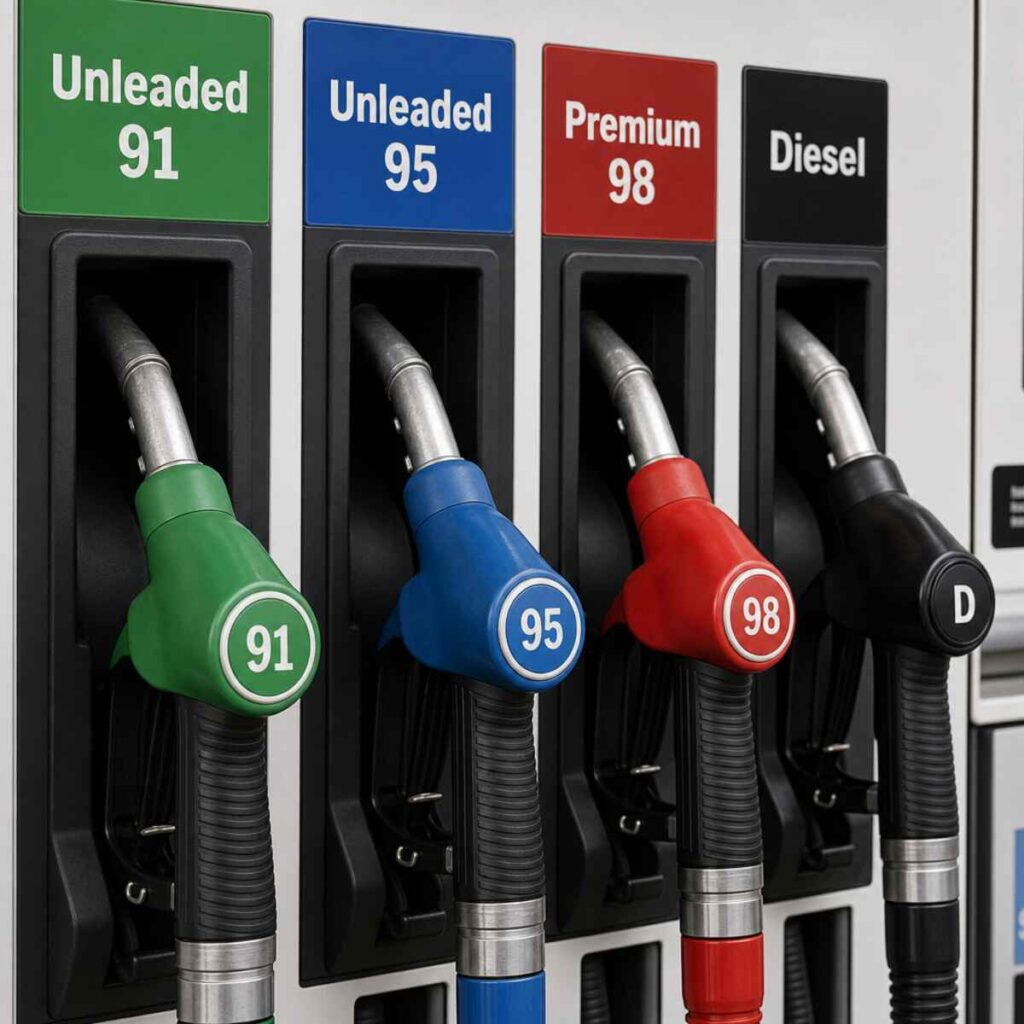
- Color Does Not Guarantee Safety: Do not rely solely on the color of the pump hose or handle. While green usually means unleaded and black means diesel in the US (and vice versa in the UK/Europe), some independent or older stations use varying color schemes. Always read the physical label on the pump.
- Stay Focused: Treat refueling as an active task. Put your phone away, step out of the vehicle, and consciously read the fuel grade you are selecting.
- Visual Reminders: If you frequently switch between a petrol personal car and a diesel work van, place a bright “DIESEL ONLY” sticker directly inside the fuel flap of the diesel vehicle. The visual interruption breaks the “autopilot” habit of grabbing the petrol nozzle.
Real-Life Scenarios: Understanding the True Impact
To truly grasp the value and costs of wrong-fuel draining services, let’s look at three common real-world scenarios drivers face.
Scenario 1: The Quick Catch
- The Situation: Sarah is driving a borrowed diesel SUV. Distracted, she puts 15 liters of unleaded petrol into the tank. Before putting the nozzle back, she realizes her mistake. She does not put the key in the ignition.
- The Action: Sarah informs the attendant and calls a mobile fuel recovery service.
- The Cost & Result: A technician arrives in 45 minutes, drains the tank, flushes the filler neck, and puts in 10 liters of fresh diesel. The total cost is $200. Sarah drives away with zero engine damage. Her quick realization saved her thousands.
Scenario 2: The Commuter’s Breakdown
- The Situation: John fills his diesel sedan with petrol on his way to work. Unaware, he starts the car and drives onto the highway. Two miles later, the car violently shudders, the engine light flashes, and the car stalls in the breakdown lane.
- The Action: John calls for emergency roadside fuel extraction.
- The Cost & Result: Because the fuel circulated, the technician must perform a full system flush and replace the fuel filter on the side of the road. The extraction takes 90 minutes. The fuel system flush cost, plus the new filter and roadside hazard fee, brings the total bill to $550. John is late for work, but his high-pressure fuel pump survived without permanent scarring.
Scenario 3: The Fatal Ignorance
- The Situation: Mark accidentally puts a small amount of petrol in his modern diesel truck. Believing the myth about running a car on mixed fuel, he tops off the rest of the tank with diesel, assuming it will dilute.
- The Action: Mark drives the truck for two weeks. It runs rough, but he ignores it.
- The Cost & Result: The petrol acts as a solvent over time, destroying the lubrication in the high-pressure fuel pump. The pump disintegrates internally, sending metal shavings through the entire common-rail fuel system. The truck dies and has to be towed to a dealership. The repair involves a new fuel tank, new fuel lines, a new high-pressure pump, and a complete set of new injectors. The total repair bill exceeds $6,000.
These scenarios highlight a singular, critical truth: when it comes to misfuelling, swift, professional intervention is not just a convenience; it is an absolute financial necessity.
Deep Dive FAQ Section on Wrong Fuel Draining
To ensure you have all the information about this stressful situation, we have compiled a comprehensive list of frequently asked questions about misfuelling, costs, and recovery processes.
1. Is it safe to drive if I only put 5% of the wrong fuel in my car? No. While some older mechanical diesel engines from the 1990s could tolerate a small amount of petrol (some drivers used to do so in winter to prevent diesel from freezing), modern common-rail diesel engines operate at incredibly high pressures with extreme precision. Even 5% petrol can alter the fuel’s lubricity enough to cause long-term wear on the fuel pump. It is always safer and cheaper in the long run to arrange professional wrong-fuel draining.
2. Will draining the wrong fuel void my car’s warranty? Draining the fuel will not void your warranty; in fact, it is required to save the engine. However, if you misfuel and drive the vehicle, causing mechanical damage, the dealership will absolutely void the warranty for the fuel system components, as the damage was caused by user error, not a manufacturing defect. Professional mobile fuel recovery services use approved methods that maintain the integrity of your vehicle.
3. What happens to the mixed fuel after it is pumped out? Professional wrong-fuel assistance companies are registered as hazardous waste carriers. The contaminated fuel is pumped into a specialized, ATEX-approved storage tank in their van. It is then taken to a licensed environmental recycling facility where the fuels are separated and repurposed—often used to power heavy industrial furnaces or refined for use in construction equipment. It is never resold as road-legal fuel.
4. Can I use a generic mechanic for fuel tank cleaning, or do I need a specialist? While a generic auto repair shop is perfectly capable of performing a fuel tank cleaning, they are rarely the most cost-effective or fastest option. Traditional garages require you to tow the vehicle to them, and they often charge high hourly labour rates to drain the entire fuel tank from under the car to clean it. Specialists using mobile rigs can extract fuel from the top down with high-suction equipment, completing the job much faster and more cheaply without removing major vehicle components.
5. How do I know if my breakdown cover includes misfuelling? You must read your policy documents or call your provider directly. Look for clauses specifically labeled “Misfuelling Cover” or “Wrong Fuel Cover.” If your policy only states “Towing and Recovery,” it likely means they will tow you only to a garage, leaving you responsible for the cost of the actual fuel system flush and repairs.
6. I put E10 petrol in a car that requires E5 (Premium). Is this misfuelling? This is a milder form of misfuelling. E10 contains 10% ethanol, while E5 contains 5%. Most cars built after 2011 are entirely compatible with E10. If you drive an older classic car or a specific high-performance vehicle that strictly requires E5, a full tank of E10 might cause the engine to run slightly lean or degrade older rubber fuel lines over time. However, it will not cause immediate, catastrophic engine failure like putting diesel in a petrol car. In most cases, you can simply top up with premium E5 fuel when the tank reaches the halfway mark to dilute the ethanol.
7. Can wrong fuel damage the catalytic converter? Yes, particularly if you put diesel in a petrol car. If unburned diesel fuel enters the exhaust system, it can reach the catalytic converter and ignite there. This causes the converter’s internal ceramic honeycomb to melt, resulting in complete exhaust failure. Replacing a catalytic converter is exceptionally costly, further emphasising the need to avoid running a car on mixed fuel.
8. Are symptoms of contaminated fuel always immediate? Usually, yes, but not always instantly at the pump. Because the fuel lines from the tank to the engine can hold roughly half a litre to a full litre of fuel, you will be burning the correct fuel for the first mile or two. The symptoms of contaminated fuel—such as jerking, loss of power, and stalling—will hit suddenly once the mixed fuel passes the filter and reaches the injectors.
9. Why is diesel in a petrol car considered less damaging than the reverse? Petrol relies on a spark plug to ignite the fuel. Diesel is much less flammable than petrol and requires high compression and heat to ignite, not a tiny spark. Therefore, if diesel enters a petrol engine, the spark plugs simply cannot ignite it. The engine will choke and stall before high-RPM mechanical damage can occur. It requires extensive cleaning, but the internal metal components (like pumps and rods) are usually safe. Petrol in a diesel engine strips the engine of lubrication while it is still running under high compression, leading to immediate metal-on-metal friction and destruction.
10. What should I look for when hiring an emergency roadside fuel extraction service? When you call for help, ensure the company offers:
- A transparent, fixed-price quote over the phone.
- An estimated time of arrival (ETA).
- Proof that they are a licensed hazardous waste carrier.
- ATEX-certified pumping equipment (to prevent static sparks during extraction).
- A service that includes bleeding the fuel lines and priming the engine, not just draining the tank.
Conclusion: Turning a Crisis into a Simple Fix
Putting the wrong fuel in your car is an incredibly sinking feeling, but it does not have to be a disaster. The key to mitigating the financial and mechanical impact lies entirely in your immediate reaction.
By remembering the golden rule—do not start the engine—you limit the problem to a simple, relatively inexpensive wrong-fuel draining service. Even if you have started the car, pulling over safely at the first signs of fuel pump damage or contaminated fuel will prevent further wear and tear, limiting your bill to the cost of a standard fuel system flush.
The automotive recovery industry has evolved to meet this common human error with incredible efficiency. Mobile fuel recovery service units turn what used to be a multi-day ordeal involving tow trucks and expensive garage fees into a minor one-hour roadside inconvenience.
Always check your insurance for fuel contamination insurance coverage or breakdown cover for misfuelling, so you know exactly who to call before the panic sets in. And if you find yourself chronically worried about making the same mistake again, investing in simple misfuelling-prevention devices will provide you with lasting peace of mind.
We all make mistakes. If you find yourself holding the wrong nozzle, take a breath, leave the keys out of the ignition, and let the professionals handle the rest. Your car, and your bank account, will recover.
