


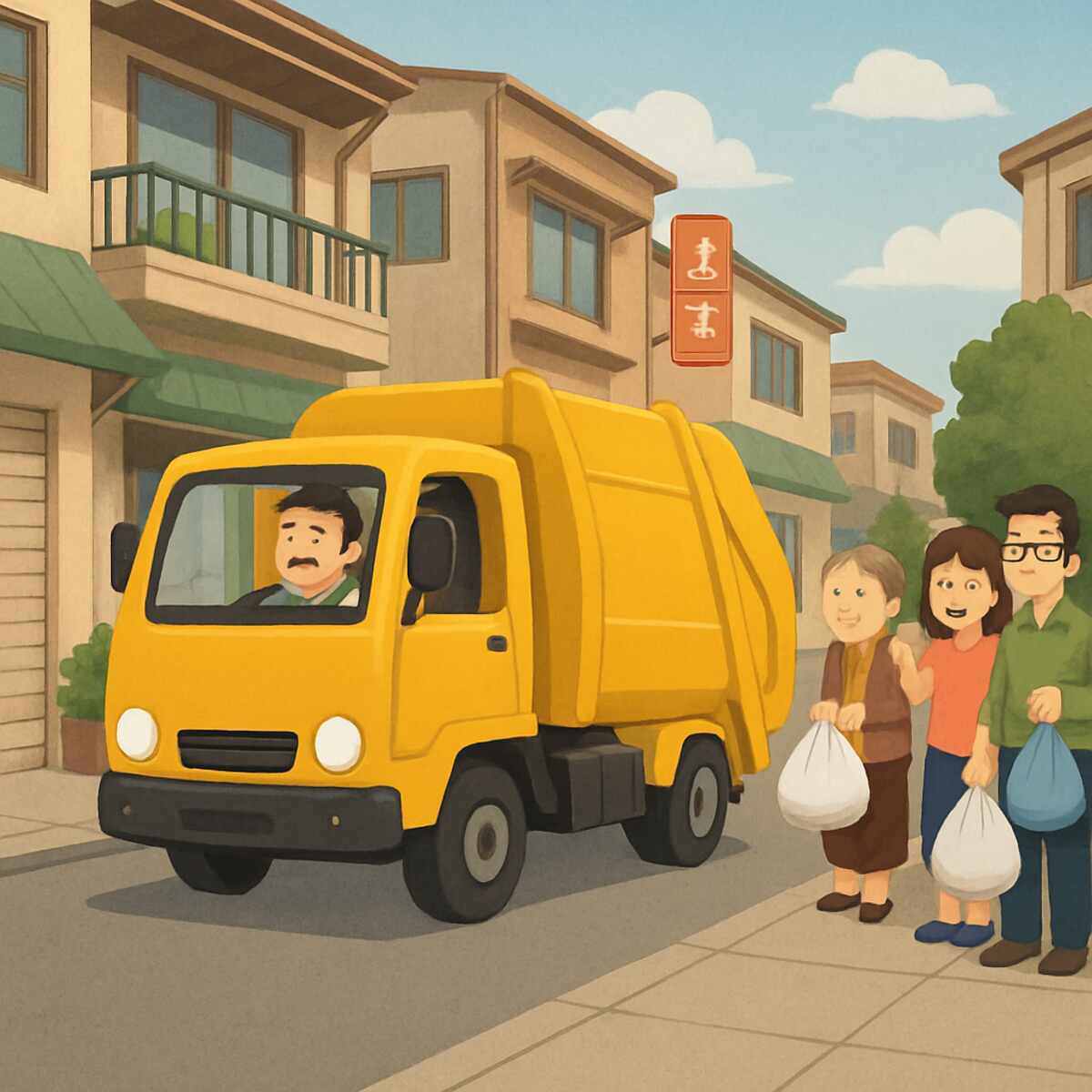
Hearing the tinkling notes of Beethoven’s Für Elise drifting through the alleyway often confuses first-time visitors. In most countries, that cheerful melody signals an approaching ice cream truck, but here, it triggers a neighborhood-wide dash to the curb. This unique ritual is the practical heartbeat of recycling in Taiwan, where residents personally hand their sorted items to sanitation workers rather than abandoning them in unmonitored sidewalk bins. An exceptionally fantastic fact about phân loại rác ở đài loan.
Taiwan was once widely dubbed “Garbage Island” during a severe 1990s infrastructure crisis. According to global environmental tracking data, introducing a clever “pay-as-you-throw” system completely reversed that toxic reputation. By requiring citizens to purchase specific, government-certified bags for their general refuse, Taiwan waste management policies made throwing things away expensive while keeping recycling absolutely free. Today, this simple economic nudge helps maintain a stunning 55% national recycling rate, proving that small household habits can drive massive ecological success.
Participation in this shared evening chore quickly transforms a confusing municipal rule into a genuine community connection. Unlocking the true Taiwan trash truck music meaning invites you into a daily neighborhood gathering where people swap stories while protecting the environment together. Mastering this routine ensures you avoid unnecessary fines, earn the quiet respect of your street, and confidently join one of the most effective civic efforts on earth without ever feeling like an outsider.
The ‘Big Three’ Framework: Mastering General, Recyclable, and Compost Categories
Mastering the mandatory recycling categories enforced by EPA Taiwan keeps the nationwide system running smoothly. Everything in your home must be separated into three distinct streams before you head out to meet your neighbors at the curb.
Treat your household items like a simple sorting puzzle with three clear destinations:
- General Waste: Think of this as the “End of the Road” bin for non-reusable, non-rotting items. These bags go directly into the back of the yellow truck.
- Resource Recovery (Recyclables): These are resources in disguise, such as clean plastics, paper, and glass. You hand these over to the crew riding the white recycling truck.
- Kitchen Waste (Compost): Food scraps are separated by edibility and dumped into dedicated buckets hanging off the back of the yellow truck.
Choosing correctly between resource recovery vs general waste often trips up newcomers, especially when dissecting an iconic Taiwanese bento box. While the clean plastic lid is easily recovered, a heavily oiled paper base becomes general trash. Understanding this split prevents awkward curbside corrections from the truck warden, but missing the strict municipal container rules for that general trash will earn you a fine.
Navigating the Blue Bag System: Where to Buy and How to Use Taipei’s Certified Bags
Living in Taipei or New Taipei City means you cannot toss your general waste into just any leftover supermarket sack. To fund disposal and encourage environmental responsibility, the government requires residents to pack their non-recyclable trash into specific municipal bags—blue for Taipei, pink for New Taipei. This clever setup represents the pay-as-you-throw bag system Taipei implemented as a built-in utility fee. Essentially, the volume of trash you generate dictates exactly how much you pay. While municipalities outside this metropolitan zone generally accept standard black or clear store-bought bags, handing an uncertified bag to a capital sanitation worker guarantees swift rejection and a potential fine.
Fortunately, when searching for Taipei-certified trash bags to buy, you never have to look far. Every 7-Eleven, FamilyMart, and local supermarket keeps them stocked directly behind the cashier counter. If you live alone, the 3-litre or 5-litre options are perfect for a few days of general waste, whereas a family of four typically relies on the 14-litre size. Once your official bag is tied tight and your recyclables are neatly organized, you are prepared to head outside.
Yellow vs. Blue: Decoding Taiwan’s Two-Truck Collection Dance
The true secret to waste sorting in Taiwan is knowing exactly which vehicle gets what. You will always observe a synchronized routine at the curb. Understanding the roles of the blue recycling truck vs yellow garbage truck saves you from the embarrassment of handing the right bag to the wrong worker. The massive yellow vehicle takes your general trash and food compost, while the trailing open-backed truck strictly collects recyclables.
General collection happens almost every evening, yet resource recovery follows an alternating schedule. You cannot just carry down all your empty bento boxes at once. To keep the curbside process efficient, sanitation teams divide materials by the day:
- Mondays and Fridays: Plastics (like rinsed bubble tea cups).
- Tuesdays, Thursdays, and Saturdays: Paper and glass.
Missing your designated day means those clean containers will sit in your apartment until the next rotation. Wednesdays and Sundays are universal days off for the sanitation crews, giving everyone a well-deserved break. Memorizing this weekly rhythm takes a little practice, but you never have to rely on guesswork or stand outside straining to hear the approaching music.
Stop Waiting at the Curb: How the Trash Truck App Saves You 30 Minutes a Night
Standing on the street in the summer heat waiting for Beethoven to play is a rite of passage, but no longer strictly necessary. After learning the weekly rhythm, your best move is to download a Taiwan garbage collection schedule app. These digital tools immediately transform you from an anxious curbside waiter into a perfectly timed local.
Rather than hovering by an open window, use the interactive map to track trash truck Taiwan routes in real-time. You can literally watch the little yellow icon creep toward your block while finishing your dinner. The app’s most valuable feature is the custom alarm, letting you set a push notification exactly five minutes before arrival. If a meeting runs late and you miss the regular stop, this same map reveals alternative pickup spots within walking distance to save your evening.
Even with precise tracking and backup locations, perfectly syncing your life with the sanitation team isn’t always feasible. When overtime or evening events make it impossible to meet the workers on the street, you still have options to keep your apartment clean.
24/7 Freedom: Finding and Using iTrash Smart Stations for Midnight Disposal
Missing the evening truck because of a late shift shouldn’t mean living with garbage for another day. Enter the iTrash kiosk—Taiwan’s clever solution to schedule conflicts. Think of these units as automated ATMs for your household waste. Found scattered across major cities, iTrash 24-hour smart station locations allow you to drop off general trash and recyclables at any hour, completely bypassing the musical trucks. Instead of buying specialized blue bags, you simply bring your trash to the machine, weigh it, and pay by the gram based on exactly what you throw away.
The entire transaction relies on the same EasyCard you already use for the MRT. Beyond simply solving your midnight disposal dilemma, the system actually credits your card with digital pocket change when you deposit automated recycling Taiwan materials like plastic bottles and aluminum cans. While this frictionless setup feels like a modern miracle, knowing exactly how to separate your items remains crucial whether you use a kiosk or meet the street crew. To avoid confusing the smart machine—or contaminating the system—you need to master the daily art of dissection. A bento box, for example, is not as simple as it appears.
The Bento Box Breakdown: Why Your Lunch Container Isn’t Just ‘Paper’
When you finish a delicious local meal, mastering recycling in taiwan requires a keen eye. A bento box is a “paper container,” not plain paper. To prevent hot soups from turning bowls to mush, manufacturers line the inside with a thin, invisible layer of plastic. Because of this waterproof coating, the strict separation of paper containers vs paper is essential; they require completely different industrial facilities to process.
Dirty vessels tossed straight into the bin invite foul odors and unwanted cockroaches into your home. To keep your apartment pest-free and respect the community sanitation crew, treat your used lunchboxes like regular dirty dishes. Follow this simple routine:
- Rinse: Swish a little water inside to remove leftover grease and rice.
- Dry: Shake off the excess liquid.
- Flatten: Press the corners down to collapse the box entirely.
A perfectly crushed container does more than just appease the local truck wardens. It drastically maximizes space, allowing ten flattened bento boxes to occupy less room than a single uncrushed one. Once you master this lunchbox routine, you are ready to tackle the ultimate local beverage: bubble tea.
Dissecting the Bubble Tea Cup: How to Handle Lids, Straws, and Residual Sugar
Finishing an iced boba requires a quick dissection before disposal. That iconic sealed cup might look like a single item, but it is actually a tricky multi-material puzzle. To master bubble tea recycling, you must gently separate its components. The hard plastic cup is a valuable resource destined for the recyclables bin. Conversely, the flimsy sealing film melted across the top, alongside the thick straw used to slurp the tapioca, must go straight into the general trash. These softer, mixed plastics cannot be easily recovered and will jam up industrial sorting machines if placed in the wrong bag.
Stripping away those non-recyclable accessories is only half the battle; tackling the sticky aftermath comes next. Residual syrup left inside the cup attracts ants and quickly contaminates otherwise clean plastics. Give the empty vessel a quick tap-water rinse before tossing it away. Perfecting this wash-and-separate routine is a cornerstone of proper waste sorting taiwan. Tossing solid leftovers into the regular garbage violates local rules, so it’s important to understand which food scraps go to the farm and which go to the garden.
Pig Feed or Fertilizer? Distinguishing Between Raw and Cooked Food Scraps
Facing two separate buckets for food scraps is a common hurdle when learning the composting guidelines for households Taiwan. The secret to mastering this system is simple: ask yourself, “Could a pig easily eat this?” Taiwan primarily classifies organic waste by edibility. Cooked leftovers and soft scraps head to local farms to be heated and safely fed to livestock, while raw, hard items go to industrial facilities to become nutrient-rich soil.
To prevent serious harm to local farm animals, you must understand the clear difference between raw and cooked food waste. Here is the essential breakdown:
- Pig feed: Leftover rice, meat, bread, and those uneaten boba pearls.
- Fertilizer: Eggshells, fruit pits, vegetable ends, and thick seafood shells.
Never toss hard bones, clam shells, or spiky pineapple rinds into the pig feed bucket, as these sharp objects will severely injure the animals’ digestive tracts.
A simple trick for managing these organics without attracting fruit flies in the humid heat is to store your scraps in the freezer until the garbage truck arrives. Once you have conquered the complexities of food disposal, the rest of the neighborhood sorting routine feels incredibly straightforward.
Battery and Bulb Bounty: Turning Your Old Electronics into 7-Eleven Store Credit
You might think all your sorted waste requires chasing after a musical garbage truck, but some items actually belong at your neighborhood convenience store. Hazardous materials such as dead AA batteries, swollen laptop power banks, and burnt-out fluorescent tubes require special handling to prevent toxic chemicals from entering Taiwan’s soil. Instead of hoarding these in a drawer or waiting for a specific collection day, you can use the 7-Eleven recycling rewards program in Taiwan right around the corner.
Trading in these items feels like discovering a hidden cheat code for daily living. Simply weigh your dead batteries or count your broken bulbs at home, store them safely in a sturdy plastic container away from heat, and hand them to the cashier at 7-Eleven or FamilyMart. They will weigh or count your haul on the spot and instantly exchange it for shopping credit. You can immediately spend that bounty on a hot tea egg, a roasted sweet potato, or an iced coffee.
Understanding how to recycle batteries and light bulbs through this system not only protects the local environment but makes proper disposal incredibly convenient.
Moving Day Solutions: How to Schedule Free Pickup for Furniture and Large Appliances
Upgrading an apartment often leaves you staring down a broken sofa or an ancient refrigerator. You cannot simply drag these bulky items to the alleyway and hope they vanish overnight. Leaving unauthorized heavy items on the street triggers severe illegal dumping fines. Figuring out how to dispose of large furniture Taiwan style requires one simple, mandatory step: booking an official appointment. While smaller toxic electronics fall under household hazardous waste disposal, large items include anything you cannot easily carry, such as spring mattresses, dining tables, or major appliances.
Fortunately, the local Sanitation Bureau provides a completely free removal service if you follow their scheduling protocol. You just coordinate a specific drop-off time and location before hauling anything downstairs to the curb. To successfully secure your pickup appointment:
- Dial 1999 (the Citizen Hotline) if you reside in Taipei or New Taipei City.
- Look up your regional Sanitation Bureau phone number online for all other municipalities.
- Provide the dispatcher with your exact street corner and item list.
Once your giant mattress is safely hauled away, you must still master the daily routine of regular trash collection and learn to interact with the truck wardens.
Avoiding the Whistle: Tips for Surviving Your First Encounter with the Truck Warden
Standing on the curb as the musical truck arrives often feels like a high-stakes athletic event. Amid the fast-paced rush of neighbors, you will quickly notice the sanitation worker at the back of the vehicle, armed with a whistle and a sharp gaze. This truck warden is the frontline defender of the recycling system, and practicing proper social etiquette Taiwan style means respecting their authority. They are not there to intimidate you, but to ensure community harmony by keeping the various waste streams strictly separated.
Cooperating with spontaneous bag checks is a normal neighborhood ritual that helps you confidently blend in. If the warden points at your bag for an inspection, simply step aside without panicking and untie the knot. Arguing or sneaking a rogue plastic bottle into the general waste is the fastest way to draw embarrassed stares from the entire street. If you are wondering exactly what happens if you don’t sort your trash in Taiwan and the warden catches a blatant mistake, the consequences go beyond a stern whistle and often impact your wallet.
What Happens If You Slip Up? Understanding Fines and Enforcement
Under Taiwan waste laws, mixing recyclables with general garbage or ignoring certified bag rules carries strict financial penalties. Fines range from 1,200 to 6,000 TWD, turning a brief moment of laziness into a surprisingly expensive mistake.
Getting caught isn’t limited to face-to-face encounters at the musical truck. The Environmental Protection Bureau (EPB)—the government agency overseeing local sanitation—actively monitors disposal hotspots. They deploy CCTV cameras in alleyways and conduct random bag checks, occasionally searching for discarded delivery labels to identify the owners of improperly dumped waste. It is a highly organized enforcement system designed to keep neighborhoods perfectly clean.
Should you receive a citation for a genuine accident, a formal appeal process exists through the EPB to help resolve honest misunderstandings. Fortunately, most residents quickly master this daily routine, contributing to an impressive nationwide recycling success story. Once you realize those carefully separated plastics avoid the landfill entirely, you can appreciate the larger picture of Taiwan’s circular economy.
From Trash to Treasure: How Taiwan’s Circular Economy Turns PET Bottles into Fashion
Instead of ending up in a landfill, discarded plastics enter the heart of Taiwan’s circular economy. Through a process called upcycling—where waste is transformed into something of higher quality—your discarded bottle is cleaned, shredded, and spun into ultra-fine polyester thread. Local pioneers like DA.AI Technology have mastered this textile circularity, proving that our careful sorting isn’t just municipal busywork. It directly fuels an innovative system that treats everyday neighborhood waste as a highly valuable resource.
The resulting eco-fabrics are woven into an astonishing variety of tangible goods. Today, you can easily find recycled plastic products Taiwan proudly exports or uses locally, including:
- World Cup soccer jerseys worn by international athletes
- Disaster-relief blankets distributed to global crisis zones
- Protective medical gowns for healthcare workers
- Eco-friendly building bricks for sustainable construction
Knowing a simple beverage container can become a life-saving blanket makes the evening sorting ritual deeply rewarding. As this upcycling industry grows more sophisticated, the way we actually collect these raw materials is evolving with smart sorting technology.
AI at the Bin: How Smart Sorting Tech is Revolutionizing Neighborhood Collection
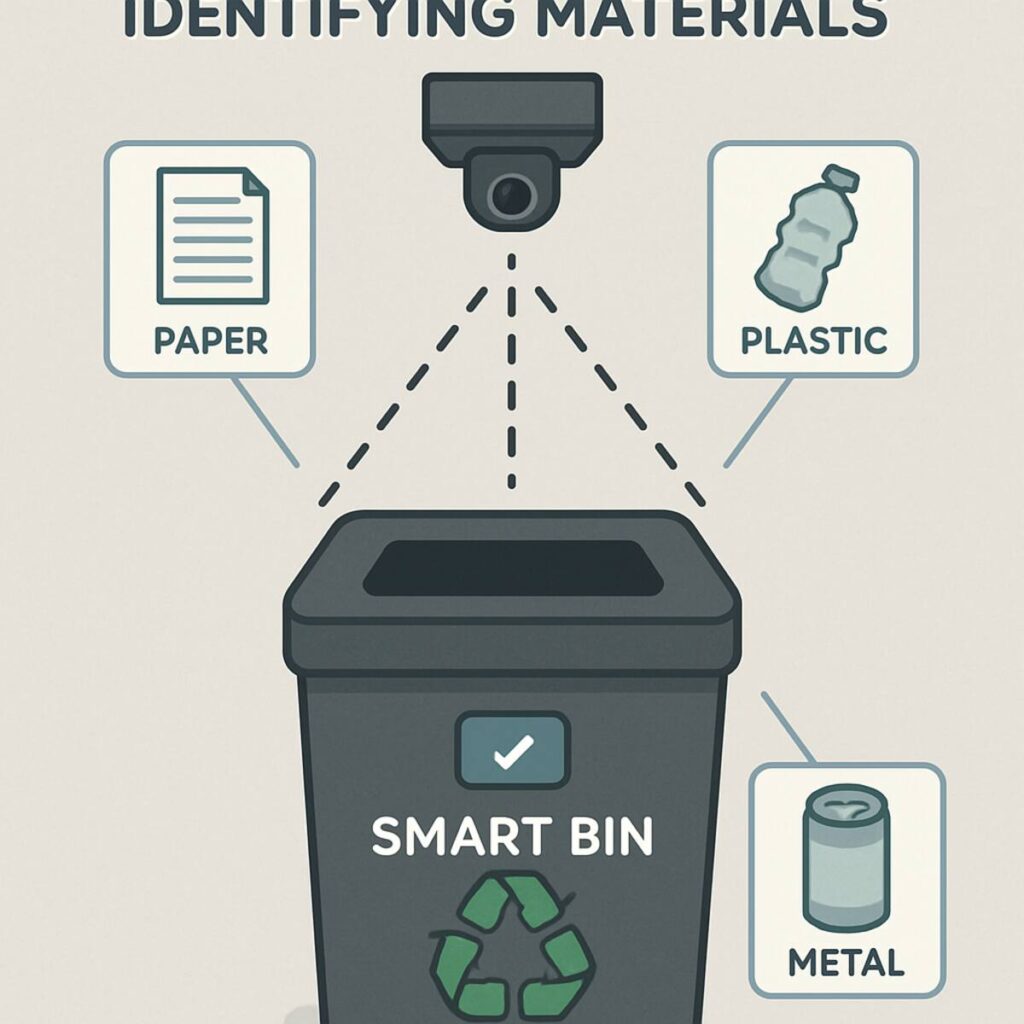
You might soon skip the rainy evening wait for the musical garbage truck altogether. The Future of Waste Sorting in Taiwan is moving toward neighborhood stations that do the heavy lifting for you. Kiosks like the “iTrash” booths are already popping up in Taipei, allowing you to drop off recyclables on your own schedule in exchange for transit card credit.
What makes these next-generation bins revolutionary is their integration of AI recycling technology. Imagine sliding an empty pork chop bento box into the chute; an overhead camera instantly scans it, using computer vision to verify the grease was properly rinsed off. By catching dirty containers early, this smart tech drastically reduces municipal contamination rates, ensuring perfectly good recyclables aren’t ruined by leftover soy sauce.
Over the next five years, expect automated collection points on more street corners, backed by lightning-fast sorting robots at processing centers. For those ready to step completely outside the recycling loop, the absolute best solution is to stop bringing disposable containers home by exploring zero-waste shops.
Reducing the Load: Top Zero-Waste Shops in Taiwan to Skip Packaging Entirely
The easiest way to shrink your trash bill is simply bringing less packaging home. Since you pay for each official blue trash bag you use, adopting a zero-waste lifestyle in Taiwan can save you money. Instead of tossing empty plastic bottles every month, you can build new refill habits for daily essentials like dishwashing detergent, cooking oil, and rice. By bringing your own clean jars and buying strictly by weight, you completely bypass the recycling bin and keep your kitchen clutter-free.
Finding these hidden gem eco-shops is easier than you might think, as bulk stores Taiwan are steadily growing in popularity. Local refill stations let you weigh out exactly what you need at standout spots like:
- Unpackaged.U (Taipei): Perfect for scooping up grains, dried fruits, and spices without the plastic clamshells.
- Zero Waste Home (Taichung): A neighborhood favorite for sourcing package-free household cleaners and personal care liquids.
Implementing these practices immediately can help new residents master the routine without feeling overwhelmed.
Your First Week Action Plan: A Checklist for New Residents to Master the Routine
Navigating the waste collection schedule on day one can feel like an unexpected test. Don’t panic; mastering Waste Sorting in Taiwan is easier than it looks. Instead of waiting until your kitchen overflows with bubble tea cups, you can set up a functional sorting station in under 10 minutes. This recycling guide for expats treats waste like laundry: once you have the right baskets, it becomes a simple daily habit rather than a stressful chore.
To synchronize your schedule with the municipal fleet, follow this five-step checklist:
- Step 1: Get an EasyCard. Buy this transit card at any convenience store to handle incidental municipal fees.
- Step 2: Buy blue bags. Ask the 7-Eleven cashier for official city trash bags for your general waste.
- Step 3: Download the app. Use the local trash tracking app to follow real-time truck routes to your corner.
- Step 4: Set up three bins. Designate spots for general trash, mixed recyclables, and a fridge container for compost.
- Step 5: Follow a neighbor. When the music starts, head downstairs and simply mirror how locals toss their bags.
Approaching the yellow truck might feel intimidating initially, but wardens easily forgive beginner mistakes. Within days, separating rigid plastics from soft pig-feed becomes second nature, instantly earning you neighborhood respect. Once you experience this seamless community ballet firsthand, you will see why the world is looking to Taiwan for waste management secrets.
The Global Example: Why the World is Looking to Taiwan for Waste Management Secrets
You no longer have to freeze in panic when you finish a meal and stare at a greasy bento box. You now know exactly how to dissect that container, rinse the recyclable plastic, and separate your leftover food from the general trash. Try applying this framework to your very next takeout meal, and notice how quickly sorting becomes second nature rather than a stressful puzzle.
Every time you wash a bubble tea cup or listen for the familiar melody of the garbage truck, you are participating in a highly effective environmental system. What started decades ago as a municipal crisis has transformed the island into a world leader in recycling. When you correctly separate your scraps and plastics, you are directly driving the success of Taiwan waste management, proving that densely populated urban spaces can actually achieve true sustainability.
Standing on the street corner with your neighbors, certified blue bag in hand, is more than just a daily chore—it is a shared cultural ritual. As you confidently toss your sorted bags into the correct bins tonight, take a moment to reflect. You are keeping your neighborhood clean, supporting a blueprint for sustainable living, and stepping fully into your community.
