


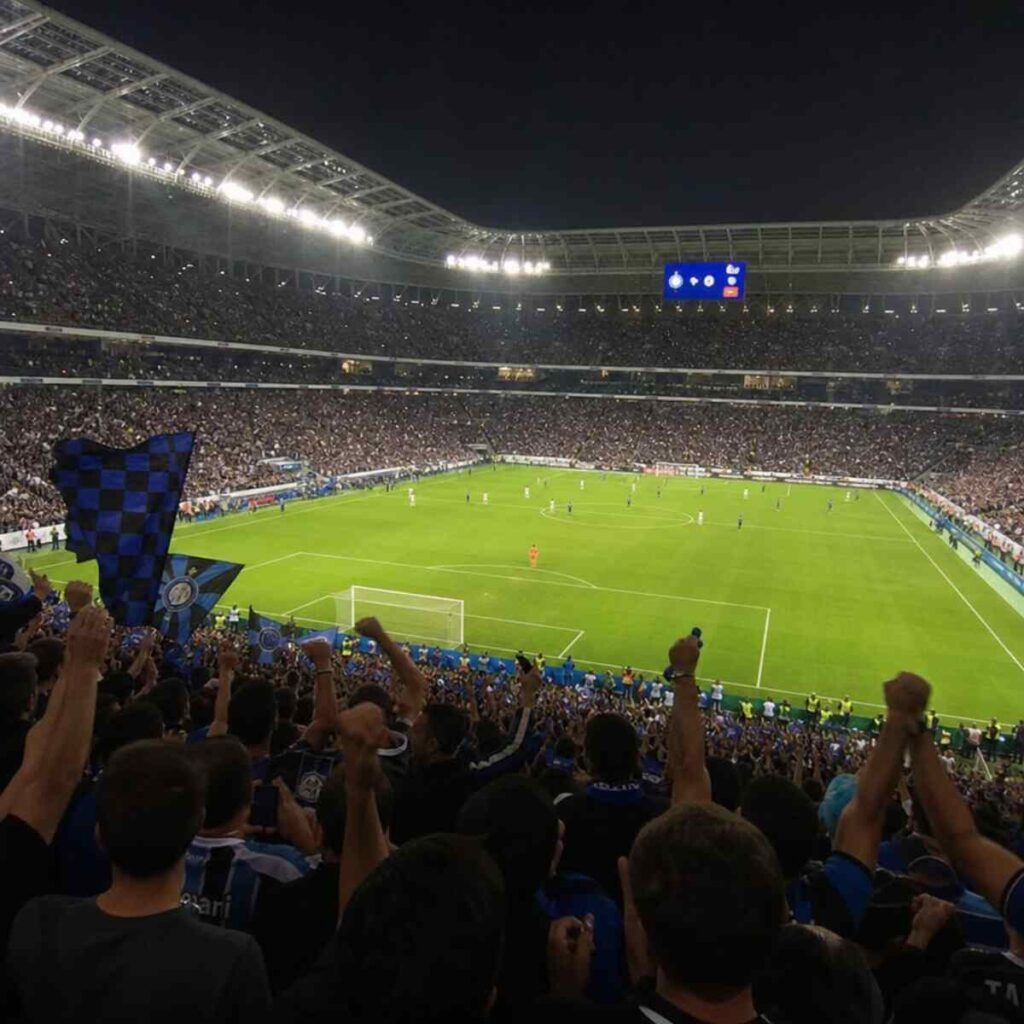
The anticipation is already building for what promises to be the largest, most spectacular global sporting event in history. Spanning an entire continent, the FIFA World Cup 2026 will redefine how we experience the beautiful game. With three host countries—the United States, Mexico, and Canada—joining forces, the scale of this tournament is unprecedented. Whether you are a die-hard football fanatic planning a cross-country road trip or a casual supporter preparing to watch from the comfort of your living room, understanding the landscape of the upcoming tournament is essential. Read the Best info about world cup 2026 fixtures.
In this comprehensive guide, we dive deep into the World Cup 2026 fixtures, breaking down everything from the expanded format to host-city logistics, ticketing strategies, and the pivotal dates you need to mark on your calendar.
The Dawn of a New Era: 32-Team vs 48-Team Tournament Structure
For decades, fans have grown accustomed to a familiar rhythm. Since 1998, the World Cup has operated under a beloved 32-team format, featuring eight groups of four, followed by a straightforward 16-team knockout stage. However, as global football has evolved, so too has the need for greater representation. The upcoming tournament marks a historic transition.
When comparing the legacy 32-team vs 48-team tournament structure, the most obvious change is sheer volume. The inclusion of 16 additional nations opens the door for emerging footballing countries from Africa, Asia, and North America to showcase their talent on the ultimate stage.
But exactly how many games in 48-team format will we see? Originally, FIFA considered 16 groups of three, but ultimately decided to retain the traditional four-team group dynamic to prevent dead-rubber matches and potential collusion. Consequently, the tournament will feature 12 groups of four teams. The top two teams from each group, along with the eight best third-place finishers, will advance to a newly minted Round of 32.
This structural shift means the total number of matches will skyrocket from 64 to a staggering 104 games. For fans, this is a monumental win—more football, more drama, and more opportunities to witness history. For the players and organizers, however, it requires meticulous planning to ensure the tournament remains competitive and safe.
Decoding the Timeline: World Cup Schedule and Key Dates
Navigating the world cup schedule for a tournament of this magnitude requires a strategic approach. The tournament will stretch over 39 days, making it the longest World Cup in history.
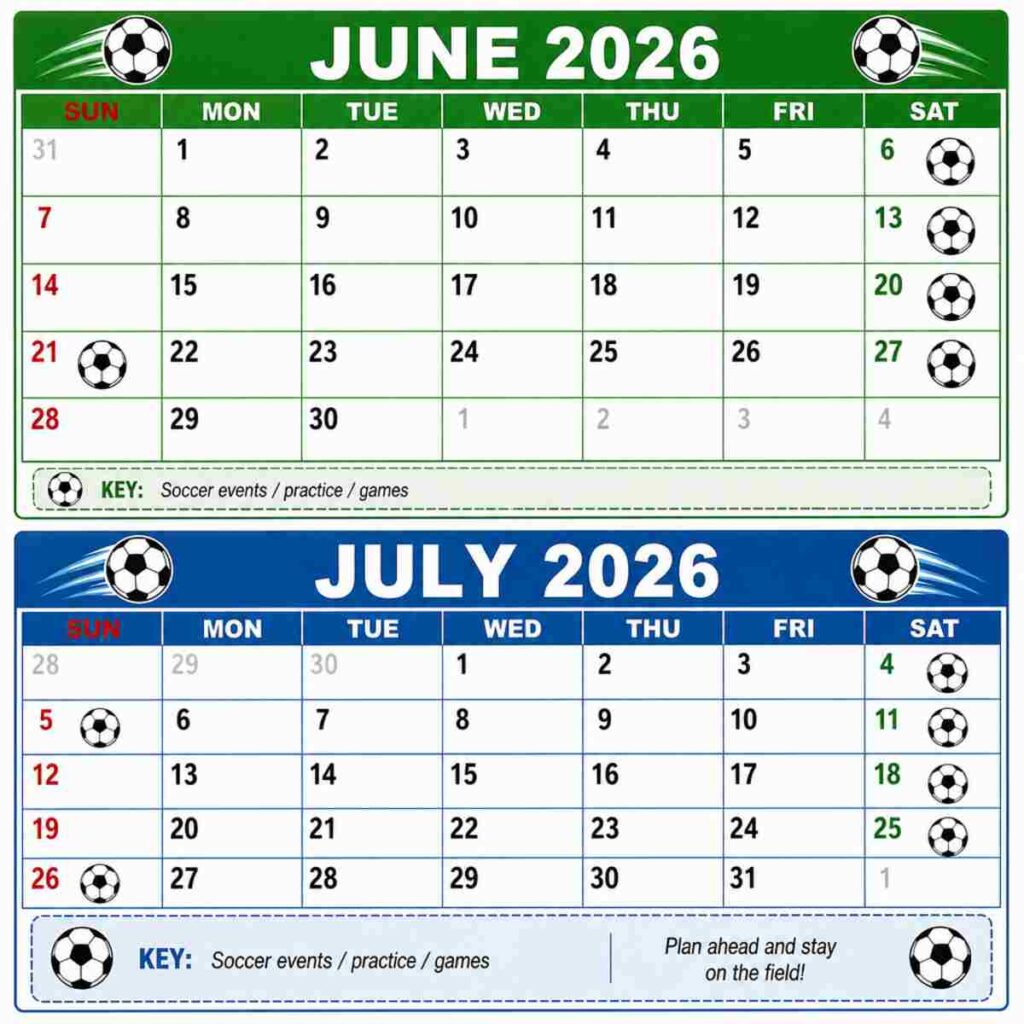
While the exact matchups will not be finalized until the final draw in late 2025, FIFA has already outlined the foundational calendar. The 2026 tournament group stage dates will run from June 11 to June 27, 2026. During this period, fans can expect up to four matches per day, creating a wall-to-wall football viewing experience.
If you are waiting to finalize your travel plans, keep an eye out for the final FIFA match schedule release date, which typically occurs shortly after the qualification process concludes and the official group stage draw takes place (expected in December 2025). This release will dictate where each specific nation will play, allowing fan groups to book their flights and accommodations with certainty.
The Opening Act: The Opening Match at Estadio Azteca
Every World Cup has a defining kickoff, and in 2026, history will be made on day one. The opening match at Estadio Azteca in Mexico City is scheduled for June 11, 2026.
Estadio Azteca is nothing short of a cathedral of world football. It is the only venue in history to have hosted two previous World Cup finals (1970 and 1986)—witnessing Pelé’s crowning achievement with Brazil and Diego Maradona’s legendary “Hand of God” and “Goal of the Century.” By hosting the inaugural match of the 2026 tournament, featuring the Mexican National Team, the Azteca will become the first stadium to host matches in three separate FIFA World Cups.
For traveling fans, being part of the opening ceremony and the inaugural match in Mexico City will be an unparalleled cultural and sporting experience, blending the rich, passionate heritage of Mexican football with the dawn of a new global era.
Mastering the Miles: North American Host City Travel Logistics
Hosting a tournament across three massive nations presents unique challenges, primarily regarding distance. To minimize fatigue and environmental impact, FIFA has implemented strict North American host city travel logistics.
The 16 host cities have been meticulously divided into three geographical zones:
1. The Western Region
- Cities: Vancouver, Seattle, San Francisco Bay Area, Los Angeles, Guadalajara.
- Vibe: Stunning coastal landscapes meeting cutting-edge tech hubs and deep-rooted football culture.
- Travel Tip: Fans following a team in the Western region can utilize the Pacific Coast Highway for a scenic road trip, or rely on short-haul flights connecting these major hubs.
2. The Central Region
- Cities: Kansas City, Dallas, Houston, Monterrey, Mexico City.
- Vibe: The heartland of North America, featuring massive, climate-controlled stadiums and incredible culinary scenes (from Texas BBQ to authentic Mexican street food).
- Travel Tip: Texas acts as a massive transit hub. Dallas (DFW) and Houston (IAH) offer exceptional flight connectivity to both Monterrey and Mexico City.
3. The Eastern Region
- Cities: Atlanta, Miami, Philadelphia, New York/New Jersey, Boston, Toronto.
- Vibe: Fast-paced, culturally diverse metropolises with rich sporting traditions.
- Travel Tip: The Northeast corridor (Boston, NY/NJ, Philadelphia) is highly accessible via Amtrak, making it the most transit-friendly cluster for fans who want to avoid renting a car or flying.
By grouping the initial World Cup 2026 fixtures within these specific regions, organizers are drastically reducing the flight times for competing teams. This localized scheduling directly addresses concerns regarding player recovery time between matches, ensuring that squads have ample rest—typically a minimum of four days between group games—without losing valuable hours crossing multiple time zones.
Knockout Stage Evolution: Stadium Venues for Knockout Rounds
As the group stage concludes, the stakes will reach a fever pitch. The introduction of the Round of 32 means we will see more knockout football than ever before. The stadium venues for knockout rounds have been selected based on capacity, climate control, and regional accessibility.
Once teams advance past the Round of 32 and Round of 16, the spotlight shifts to the premium venues. The quarterfinal and semifinal site selection features some of the most technologically advanced arenas on the planet:
- Quarterfinals: Boston, Los Angeles, Miami, and Kansas City will serve as the battlegrounds for the final eight.
- Semifinals: The drama will culminate in two spectacular locations—Dallas (AT&T Stadium) and Atlanta (Mercedes-Benz Stadium). Both stadiums feature massive capacities and retractable roofs, ensuring weather conditions will not impact the quality of the matches.
This spread of knockout fixtures ensures that fans on both sides of the continent have a chance to witness the later, high-stakes stages of the tournament without necessarily having to travel coast-to-coast.
The Grand Finale: MetLife Stadium Championship Game Details
After 103 matches of grueling, breathtaking football, it will all come down to one final game on July 19, 2026. FIFA has officially announced the details of the MetLife Stadium championship game, confirming that the grand finale will take place in East Rutherford, New Jersey, just across the river from New York City.
Why New York/New Jersey? New York is universally recognized as a global hub, a melting pot of cultures that perfectly encapsulates the international spirit of the World Cup. MetLife Stadium, with a capacity of over 82,000, has the infrastructure to host a global event of this magnitude.
Fans attending the final will benefit from the robust transit networks connecting Manhattan directly to the stadium. Furthermore, the region’s vast array of accommodations, from luxury hotels in NYC to budget-friendly stays in New Jersey, guarantees that the influx of international supporters can be comfortably housed.
Road to the Tournament: Qualifying Process for Host Nations
For fans of the United States, Mexico, and Canada, the anxiety of qualification has been entirely removed. In keeping with FIFA tradition, the qualifying process for host nations dictates that all three host countries receive automatic bids into the tournament.
However, because the tournament field has expanded to 48 teams, the CONCACAF region (North America, Central America, and the Caribbean) has been granted three additional direct qualification slots and two intercontinental playoff spots. This creates an incredibly exciting qualification cycle for nations like Costa Rica, Jamaica, Panama, and El Salvador, who will battle fiercely for the remaining regional spots without having to compete directly against the continent’s “Big Three” for automatic entry.
For the USA, Mexico, and Canada, this automatic qualification provides an extended runway to prepare tactical systems, test younger players in friendly matches, and build cohesive squads without the pressure of competitive qualifiers.
Fan Essentials: Tickets, Time Zones, and Viewing Options
Attending the fifa world cup 2026—or even just keeping up with it from afar—requires a solid game plan. Here is everything you need to know about the logistics of being a fan in 2026.
Navigating the Ticket Landscape
Scoring tickets to a World Cup match is a competitive sport in itself. Understanding the official ticket application window phases is crucial.
- Phase 1: Registration of Interest & Random Selection Draw. Usually opening a year before the tournament, fans apply for the matches they want to attend. Because demand vastly exceeds supply, tickets are allocated via a lottery system.
- Phase 2: First-Come, First-Served. Following the official group stage draw, the remaining tickets are sold in real time. Speed and a stable internet connection are your best friends here.
- Phase 3: Last-Minute Sales & Official Resale. In the weeks leading up to the tournament, FIFA opens a platform where fans can securely resell tickets they cannot use at face value. Never buy tickets from unauthorized third-party scalpers, as FIFA utilizes blockchain-based digital ticketing that makes fraudulent transfers nearly impossible.
Mastering the Clock
With matches stretching from the Pacific Coast of Canada to the Eastern Seaboard of the US, viewers will be dealing with four primary time zones (Pacific, Mountain, Central, and Eastern).
Figuring out how to sync schedule with local time zones will be vital for international viewers, particularly in Europe and Asia. Fortunately, FIFA traditionally staggers kickoff times. For example, a 12:00 PM Pacific Time kickoff in Los Angeles translates to 3:00 PM Eastern in New York, 8:00 PM in London, and 4:00 AM the next day in Tokyo. To stay organized, we highly recommend utilizing digital calendar integrations—many sports apps and the official FIFA app will allow you to download the World Cup 2026 fixtures directly to your phone, automatically adjusting kickoff times to your device’s local settings.
For office pools, family betting, and visual tracking, you’ll also want a printable tournament bracket for fans. Because the 48-team format with a Round of 32 introduces a more complex bracket path than previous years, having a physical wall chart will make following the “best third-place team” math much easier!
Tuning In From Home
If you aren’t making the trek to North America, you won’t miss a second of the action. The live broadcasting rights and streaming options have already been established in many major territories.
- In the United States: Fox Sports holds the English-language broadcast rights, while Telemundo holds the Spanish-language rights. You can expect matches to be simulcast on standard television channels (FOX, FS1) and their respective streaming platforms (such as the Fox Sports App and Peacock for Telemundo).
- In Canada, TSN and RDS will provide comprehensive English and French coverage, respectively.
- In the UK, the BBC and ITV will continue their tradition of sharing free-to-air coverage.
- Global Streaming: FIFA+, the organisation’s proprietary streaming service, will likely offer extensive behind-the-scenes content, highlights, and, in some territories, live matches.
Deep Dive: Venue Highlights and City Strategies
To truly master the World Cup experience, you need to understand the unique flavors and logistical realities of the venues. Because the tournament spans vast geographic distances, choosing a “basecamp” is highly recommended. Let’s break down some of the standout cities hosting the World Cup 2026 fixtures.
The Pacific Northwest Hub: Vancouver and Seattle
- Vancouver (BC Place): With its iconic cable-supported roof, BC Place offers a stunning downtown location. Fans can walk from major hotels right to the stadium gates.
- Seattle (Lumen Field): Known as one of the loudest stadiums in the world, Lumen Field will provide a spectacular atmosphere.
- The Strategy: Base yourself in Seattle and utilize the Amtrak Cascades train line to travel back and forth to Vancouver. It’s an incredibly scenic, stress-free border crossing that takes just a few hours.
The Texas Triangle: Dallas and Houston
- Dallas (AT&T Stadium): Boasting a colossal capacity that can be expanded to over 100,000, Dallas is slated to host nine matches—more than any other city—including a crucial semifinal.
- Houston (NRG Stadium): Just a four-hour drive south, Houston brings extreme humidity but counteracts it with a brilliant climate-controlled, retractable-roof stadium.
- The Strategy: Renting a car in Texas is almost mandatory due to the sprawling nature of the cities, but a Texas road trip allows fans to see over 15 matches in a two-week span.
The East Coast Corridor: Philadelphia, New York/New Jersey, Boston
- Philadelphia (Lincoln Financial Field): Located in the heart of American history, “The Linc” is known for its passionate sports fans.
- Boston (Gillette Stadium): Situated in Foxborough (about an hour outside Boston proper), fans will need to plan ahead for the commuter rail train from South Station on match days.
- The Strategy: Base yourself in Manhattan or downtown Philadelphia. The Amtrak Acela express train can shuttle you between Boston, New York, and Philadelphia in a matter of hours, allowing you to catch multiple matches across different groups effortlessly.
The Strategic Impact of the Expanded Schedule
While the fans focus on travel and tickets, coaches and players are analyzing the world cup schedule for tactical advantages.
The integration of the Round of 32 means that a team must now play eight games to win the World Cup, rather than seven. This places a massive premium on squad depth. In past tournaments, a manager could rely heavily on a core group of 14 or 15 players. In 2026, navigating the heat of a North American summer alongside an expanded fixture list means managers will have to rotate their squads heavily during the group stages.
Furthermore, the structure of the 12 groups of four introduces strategic nuance to the third-match dynamic. Because the eight best third-place teams advance, a team that loses its first two matches might still have a statistical chance of advancing if they secure a large-margin victory in their final group game. This promises to keep the final day of group-stage matches incredibly dramatic, drastically reducing the number of meaningless “dead rubber” games.
Actionable Tips for Planning Your 2026 World Cup Experience
As the countdown continues, preparation is your best asset. Here are actionable tips to ensure your World Cup experience is seamless:
- Start Budgeting Now: Accommodations in major North American cities are expensive, and prices will surge during the tournament. Set up a dedicated savings fund today. Consider alternative lodging options such as short-term rentals, RV parks, or suburban areas near commuter rail lines.
- Download the Right Apps: Aside from the official FIFA app, familiarize yourself with North American transit apps. Download the Amtrak, Uber, Lyft, and local transit authority apps for your host city (e.g., MTA for New York, MARTA for Atlanta).
- Monitor Your Passports and Visas: Traveling between the USA, Mexico, and Canada requires valid documentation. If you plan on following a team that plays across borders, ensure your passport is valid well beyond 2026. International fans must carefully review the visa requirements for all three countries, as entry into one does not automatically grant access to the others.
- Embrace the Tailgate Culture: American sports culture features “tailgating”—gathering in stadium parking lots hours before the game to grill food, play games, and socialize. While FIFA sets strict security perimeters, host cities will feature massive Fan Fests that replicate this vibrant, communal atmosphere.
Looking Ahead: The Legacy of 2026
The fifa world cup 2026 is not just a sports tournament; it is a monumental logistical and cultural undertaking. It will serve as a bridge connecting diverse nations, showcasing North America’s immense infrastructural capabilities, and opening the door for 48 nations to pursue eternal glory.
From the historic, sun-drenched stands of the opening match at Estadio Azteca to the dazzling, high-stakes environment of the championship game at MetLife Stadium, the tapestry of this tournament will be woven across miles, time zones, and cultures.
Whether you are tracking the World Cup 2026 fixtures to secure your dream tickets, printing out a bracket to play along at the office, or simply counting down the days until the summer of 2026, one thing is certain: the beautiful game is about to get bigger, louder, and more spectacular than ever before.
Prepare your itineraries, study the host cities, and get ready to witness the largest football festival the world has ever seen. The road to 2026 has officially begun.