


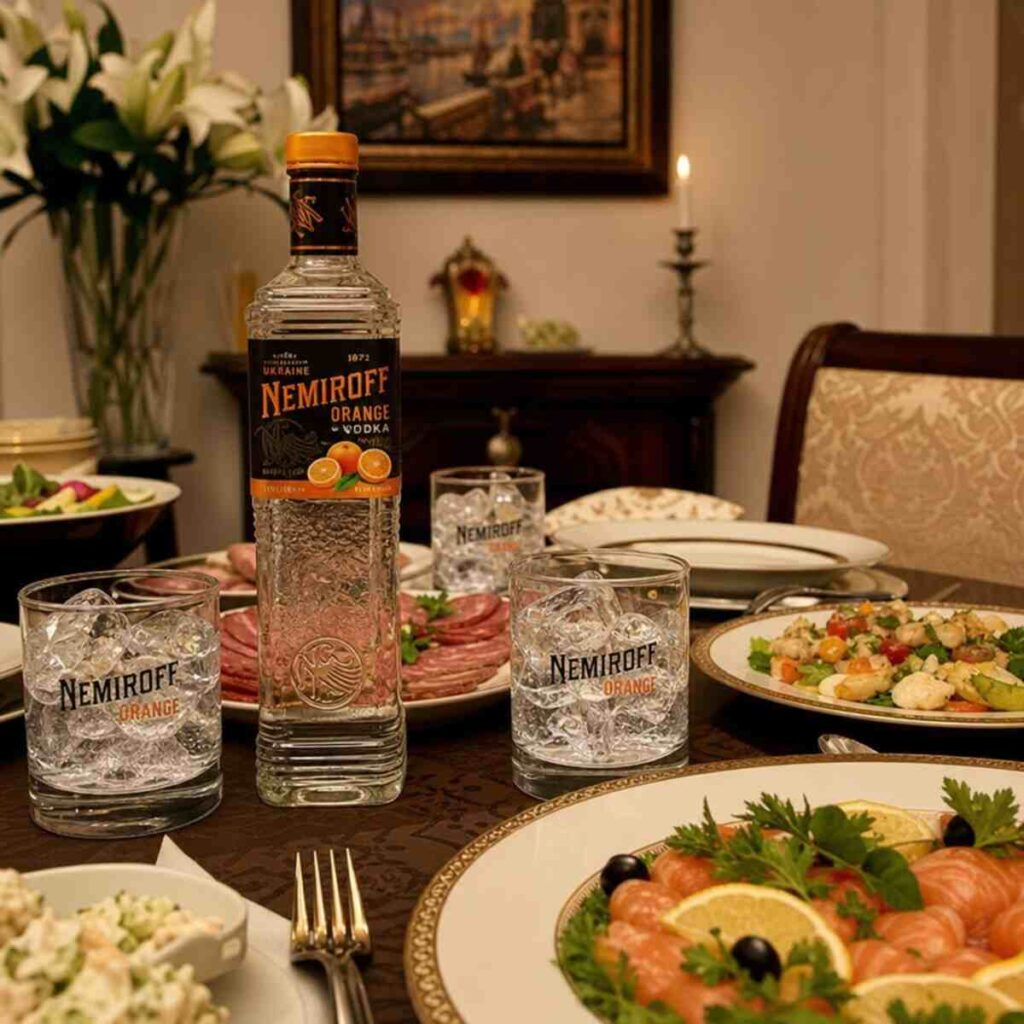
When it comes to the culinary arts, the conversation surrounding food pairings has long been dominated by wine. From robust Cabernets paired with charred steaks to crisp Sauvignon Blancs served alongside freshly shucked oysters, the “rules” of pairing are deeply ingrained in gastronomy. However, a thrilling shift is taking place in modern dining. Gastronomes, chefs, and home entertainers are increasingly looking toward premium spirits to elevate their dining experiences. At the forefront of this movement is flavored vodka—specifically, the vibrant, zesty, and incredibly versatile nemiroff orange vodka. Find out the best info about nemiroff orange vodka.
Pairing food with a high-proof spirit requires a different approach than pairing with wine or beer. It demands an understanding of flavor concentration, alcohol by volume (ABV), and how the specific botanicals or infusions in the spirit interact with fats, acids, and proteins on the plate. Nemiroff orange vodka offers a brilliant canvas for this exact culinary exploration.
In this comprehensive guide, we will dive deep into the world of spirit-paired dining. We will explore the meticulous craftsmanship behind this iconic spirit, dissect its flavor profile, and provide you with an extensive, multi-course roadmap for pairing food with this exceptional citrus vodka. Whether you are hosting a formal dinner party or simply looking to elevate your weekend culinary experiments, this guide will transform the way you think about vodka and food.
The Evolution of Flavored Vodka in Modern Gastronomy
For decades, flavored vodkas were largely misunderstood. Often associated with overly sweet, artificial-tasting concoctions meant solely to mask the taste of poorly distilled alcohol, the category struggled to find its place in refined dining. However, a renaissance has occurred among premium vodka brands. Today, master distillers approach flavored vodka with the same reverence as a botanist approaching a rare gin or a master blender crafting a fine cognac.
This evolution is defined by a return to authenticity. Instead of relying on synthetic flavorings and heavy syrups, premium producers utilize real fruit, meticulous infusion processes, and pristine base spirits. This dedication to quality results in spirits that are not only excellent in vodka cocktails but also complex enough to be sipped neat and thoughtfully paired with culinary creations.
When a citrus vodka is crafted correctly, it acts as a liquid garnish. Just as a chef might finish a dish with a squeeze of fresh lemon or a sprinkle of orange zest to brighten the palate and cut through rich fats, a well-crafted orange vodka serves the same function while adding the warming complexity of a premium spirit.
What Makes Nemiroff Orange Vodka Exceptional?
To truly master the art of pairing food with nemiroff orange vodka, one must first understand how it is made. The pairing potential of any spirit is inextricably linked to its production. A poorly made spirit will clash with high-quality ingredients, while a masterfully crafted spirit will elevate them.
Premium Ukrainian Wheat Vodka Distillation
The foundation of any great flavored vodka is the neutral spirit itself. Nemiroff is deeply rooted in a centuries-old tradition of distilling premium Ukrainian wheat vodka. Ukraine, often referred to as the “breadbasket of Europe,” yields some of the finest winter wheat in the world. This wheat provides a naturally sweet, incredibly smooth, and subtly earthy base that is ideal for carrying bright citrus flavors.
The use of high-quality grains is paramount. Unlike vodka distilled from potatoes, which tends to have a heavier, creamier mouthfeel, or from grapes or sugar cane, wheat vodka offers a clean, crisp, and elegantly structured backbone. This makes it an ideal canvas for the vibrant notes of orange, ensuring the final product remains refined rather than cloying.
The Natural Orange Peel Infusion Process
What separates top-tier citrus vodkas from the rest of the pack is the flavoring method. Nemiroff employs artisanal flavored vodka production methods, moving away from artificial extracts. The vibrant flavor of their orange vodka is achieved through a natural orange peel infusion process.
The essential oils found in orange skin (specifically terpenes like limonene) capture the fruit’s true aromatic essence without the high sugar content of the juice. By carefully macerating and infusing these peels into the high-proof wheat spirit, the distillers capture a dry, aromatic, and deeply authentic orange flavor. This process ensures that the resulting vodka is zesty, slightly bitter (in the best way possible, much like an artisanal marmalade), and wonderfully fragrant.
Eleven-Stage Water Filtration for Spirits
Water makes up roughly 60% of a bottle of vodka, making its quality just as important as the grain or the flavoring. Nemiroff utilizes an incredibly rigorous eleven-stage water filtration for spirits. By drawing water from deep, artesian wells and passing it through multiple layers of natural filtration—including quartz sand and birch charcoal—the distillers remove any microscopic impurities that could cause harshness or off-flavors.
This obsessive attention to purity results in a remarkably soft mouthfeel. When pairing with food, this smoothness is crucial. A harsh spirit will burn the palate and numb the taste buds, ruining the food pairing. The smooth, filtered nature of Nemiroff allows the subtleties of the food to shine through the warmth of the alcohol.
Award-Winning Grain Neutral Spirits
The dedication to both traditional techniques and modern innovation has resulted in award-winning grain neutral spirits that form the base of Nemiroff’s flavored portfolio. Knowing you are working with an internationally recognized, top-tier spirit gives you the confidence to pair it with the finest ingredients in your kitchen—from delicate sashimi to rich, roasted meats.
A Note on Dietary Preferences: Gluten Free Flavored Vodka Options
In today’s culinary landscape, addressing dietary restrictions is an essential part of hosting. A common question among consumers is whether wheat-based vodkas are safe for gluten-sensitive individuals. Because the distillation process involves vaporizing the alcohol and leaving heavy proteins (like gluten) behind, purely distilled spirits are generally recognized as gluten-free by regulatory bodies, even when made from wheat. Therefore, for those seeking gluten free flavored vodka options, high-quality distilled spirits like Nemiroff are generally considered safe, though individuals with severe Celiac disease should always consult their physician.
A Sommelier’s Approach: Tasting Notes for Nemiroff Bold Orange
Before we can pair the liquid with food, we must evaluate it in the glass. Treating vodka with the same analytical respect as a vintage wine helps us identify the microscopic flavor hooks that will connect with our food.
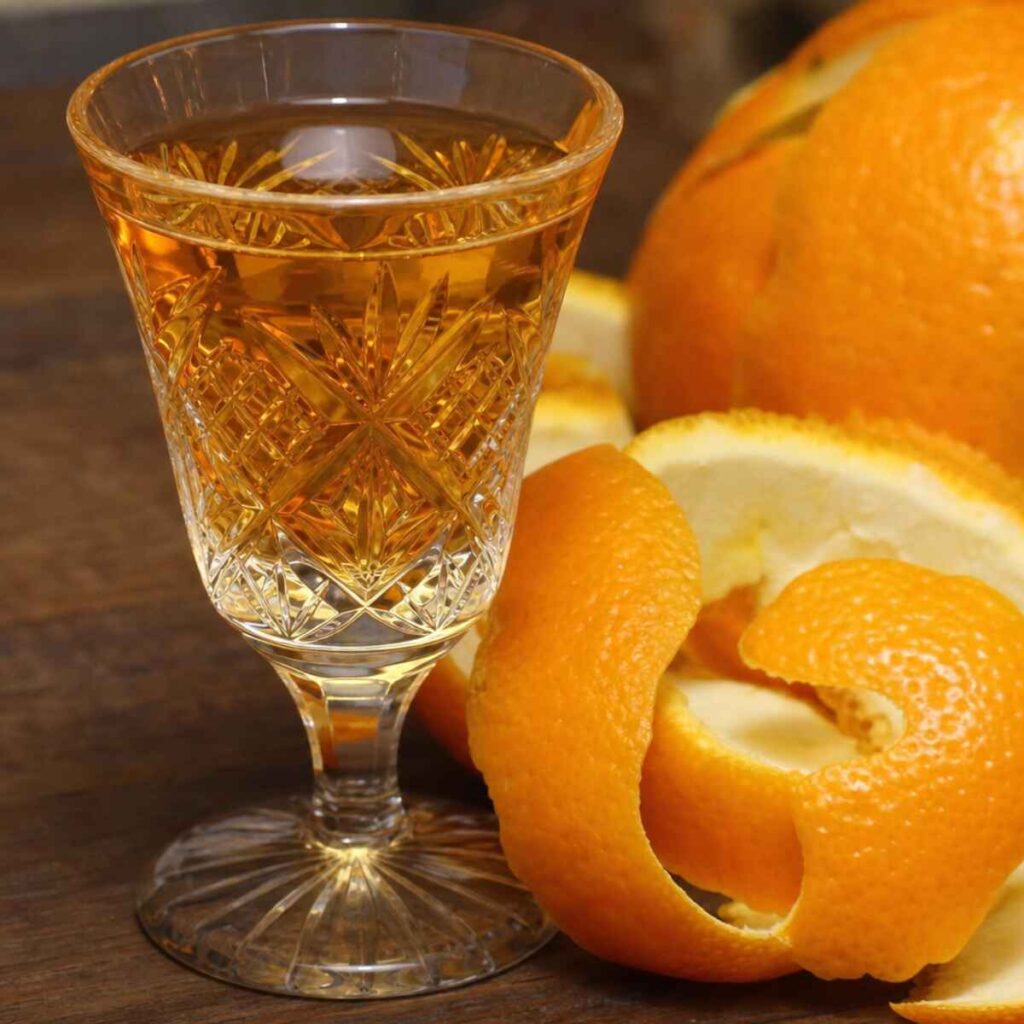
Here are the definitive tasting notes for Nemiroff Bold Orange:
- Visual: Crystal clear with a bright, luminous viscosity that coats the glass beautifully, leaving slow, elegant “legs” that indicate a well-structured spirit.
- The Nose (Aroma): An immediate, vibrant burst of freshly peeled sweet oranges. This isn’t the smell of artificial candy; it is the nuanced, slightly herbaceous aroma of a fresh orange grove. Underlying the bright citrus are faint, warm notes of toasted grain, white pepper, and a very subtle hint of vanilla from the wheat base.
- The Palate (Taste): The entry is remarkably smooth, a testament to the extensive filtration. It blossoms on the mid-palate with an intense, zesty orange flavor. There is a perfect balance between the citrus’s natural sweetness and the vodka’s dry, crisp character. Notes of bitter orange zest, subtle baking spices, and a touch of honeycomb emerge.
- The Finish: Long, clean, and warming. The citrus oils linger pleasantly on the tongue, leaving a refreshing, mouth-watering sensation that begs for the next sip—or the next bite.
The Philosophy of Pairing Citrus Spirits with Food
When pairing food with nemiroff orange vodka, we rely on three primary culinary principles: Complementing, Contrasting, and Cleansing.
- Complementing (Like with Like): This involves pairing the vodka’s citrus notes with dishes that already feature citrus or fruity profiles. Think orange-glazed duck, lemon-herb roasted chicken, or desserts featuring fruit curds. The vodka amplifies the existing flavors in the dish.
- Contrasting (Opposites Attract): This is where the magic often happens. Pairing the bright, acidic, and sweet notes of the orange vodka with something dark, salty, or spicy creates a thrilling dynamic on the palate. Think spicy Mexican cuisine, rich dark chocolate, or salty aged cheeses.
- Cleansing (The Palate Reset): High-proof spirits, especially those with an acidic or citrus profile, are incredible palate cleansers. When eating heavily marbled meats, deep-fried foods, or rich cream sauces, a sip of chilled orange vodka cuts straight through the fat, lifting the heavy oils from your tongue and preparing you for the next bite.
Course One: Amuse-Bouche & Light Starters
The beginning of a meal sets the tone for the entire dining experience. When pairing citrus spirits with light appetizers, the goal is to awaken the palate, stimulate the appetite, and provide a crisp, refreshing introduction.
Fresh Seafood and Raw Bars
Citrus and seafood are among the culinary world’s most perfect marriages. Usually, this pairing is achieved with a squeeze of fresh lemon or lime. By using nemiroff orange vodka, you introduce that necessary citrus element along with a sophisticated textural warmth.
- Oysters on the Half Shell: Serve briny, cold-water oysters (such as Blue Points or Kumamotos) with a splash of orange vodka directly into the shell in place of a traditional mignonette, or serve a frozen shot of the vodka alongside the platter. The oyster’s brininess is beautifully counteracted by the sweet, zesty orange oils.
- Peruvian Scallop Ceviche: A delicate ceviche made with bay scallops, red onion, jalapeño, and a generous amount of lime and orange juice pairs spectacularly with chilled orange vodka. The vodka echoes the marinade while its alcohol content helps to cut through the buttery texture of the raw scallops.
- Smoked Salmon Blinis: A classic Russian and Eastern European pairing. Top a warm, buttery buckwheat blini with a dollop of crème fraîche, a slice of rich smoked salmon, and a sprig of fresh dill. The smoky, fatty salmon and the rich cream demand a robust, acidic counterpoint. A neat, chilled sip of orange vodka instantly cleanses the creaminess.
Artisanal Cheese and Charcuterie Boards
Building a charcuterie board to pair with flavored vodka requires a deliberate selection of fats and salts to balance the spirit’s profile.
- Goat Cheese (Chèvre): The earthy, tart, and creamy profile of fresh goat cheese is brilliantly elevated by orange vodka. Spread goat cheese on a crostini, top it with a tiny dab of orange marmalade or a candied walnut, and follow it with a sip of the vodka. The flavors bridge seamlessly.
- Aged Manchego: This Spanish sheep’s milk cheese has a firm texture and a salty, slightly nutty flavor. The zesty notes of the vodka act as a beautiful contrast to the salty richness of the cheese.
- Prosciutto-Wrapped Melon: A classic Italian appetizer. The sweet melon complements the orange notes, while the salty cured pork provides the necessary contrast, making the vodka feel incredibly refreshing.
Course Two: The Main Event – Meats, Poultry, and Complex Flavors
Moving into the main course requires a shift in how we serve the vodka. While shots or neat pours work wonderfully for appetizers, main courses often benefit from the vodka being incorporated into a longer drink, such as a highball, or paired alongside dishes that possess robust, assertive flavors.
Poultry Pairings: The Ultimate Match
Poultry, particularly duck and chicken, possesses a mild, versatile flavor profile that acts as a sponge for citrus and herbs.
- Duck à l’Orange: Perhaps the most famous citrus-meat pairing in classic French cuisine. The rich, thick layer of fat beneath the duck skin requires a sharp, acidic flavor to balance it. While the dish itself features an orange reduction, pairing it with a neat pour of nemiroff orange vodka or an Orange Vodka Martini creates an immersive, multi-sensory citrus experience. The spirit cuts through the rendered duck fat effortlessly.
- Herb-Roasted Chicken with Fennel: The subtle licorice notes of roasted fennel and the savory herbs (rosemary, thyme) rubbed on the chicken skin are beautifully complemented by the bright, high notes of the orange peel infusion.
Pork and Rich Glazes
Pork has a natural affinity for fruit. Apples, cherries, and oranges have been paired with pork for centuries.
- Orange-Glazed Pork Tenderloin: Marinate a pork tenderloin in soy sauce, garlic, ginger, and orange marmalade before roasting. The savory, umami notes of the soy sauce contrast with the sweetness of the orange vodka, while the ginger provides a spicy kick that harmonizes with the gentle burn of the spirit.
- Pork Belly Bao Buns: Rich, fatty, melt-in-your-mouth pork belly nestled in a pillowy steamed bun, topped with pickled carrots and cilantro. The intense richness of the pork belly is the exact type of fat that requires a palate cleanser. A chilled glass of orange vodka slices through the heavy pork fat, leaving your mouth refreshed for the next bite.
Bold, Spicy, and Global Cuisines
One of the greatest, yet least utilized, applications for citrus vodka is pairing it with highly spiced, chili-driven global cuisines. Alcohol and spice can be a tricky combination (as high-proof alcohol can exacerbate chili heat), but when served ice cold and mixed appropriately, orange vodka provides a cooling, sweet contrast.
- Spicy Thai Green Curry: The aromatic base of lemongrass, galangal, kaffir lime leaves, and green chilies, smoothed out by rich coconut milk, is a symphony of flavors. A tall, refreshing highball made with nemiroff orange vodka, sparkling water, and a squeeze of fresh lime complements the citrusy herbs in the curry while the effervescence and cold temperature soothe the chili heat.
- Mexican Carnitas Tacos: Slow-cooked pork shoulder flavored with oregano, cumin, and traditionally braised with actual orange peels. Pairing these tacos with a zesty orange vodka punch or an orange vodka margarita (substituting tequila for orange vodka) creates a harmonious flavor loop that highlights the authentic Mexican spices.
Course Three: Sweet Endings – Desserts and Digestifs
The conclusion of a meal is where flavored vodkas truly shine, effortlessly bridging the gap between a dessert accompaniment and a standalone digestif.
The Chocolate Connection
Orange and chocolate is a legendary flavor combination. The bitterness of cocoa and the bright, sweet acidity of orange are a match made in culinary heaven.
- Dark Chocolate Truffles: Ensure the chocolate is at least 70% cacao. The bitter, earthy, and highly tannic nature of dark chocolate is perfectly mellowed by the sweet, zesty bite of the orange vodka. Sip the vodka neat, at room temperature or slightly chilled, letting the chocolate melt slowly on your tongue.
- Chocolate Lava Cake: The rich, molten center of the cake provides a heavy, dense mouthfeel. A cold sip of citrus vodka offers a sharp, refreshing contrast, preventing the dessert from becoming overly cloying or heavy.
Citrus and Cream
Desserts that rely on heavy cream, cream cheese, or mascarpone benefit greatly from the cutting power of citrus.
- New York Style Cheesecake: Dense, rich, and tangy. Drizzle a little berry coulis over the cheesecake and serve it with an Orange Vodka Martini. The vodka acts almost like an invisible citrus zest, lightening the perceived heaviness of the cheese.
- Classic Tiramisu: While traditionally paired with coffee liqueurs or amaretto, tiramisu pairs well with a slightly chilled orange vodka, introducing a delightful “orange mocha” dynamic to the dessert, highlighting the espresso notes while cutting through the rich mascarpone.
The Master Mixologist: Vodka Cocktails with Nemiroff Orange
While pairing neat vodka with food is an incredible experience, sometimes the culinary journey calls for masterful mixology. Creating vodka cocktails that pair perfectly with your meal requires understanding balance.
When looking for the best mixers for citrus flavored spirits, you want to focus on ingredients that either lengthen the citrus profile (like soda water or tonic), add a complementary fruit note (like cranberry or pomegranate), or introduce a balancing herbal/bitter element (like Campari or fresh basil).
Here are several refreshing citrus vodka cocktail recipes designed specifically for enjoying with food.
1. The Ultimate Orange Cosmopolitan
When considering the best orange vodka for cosmopolitan cocktails, bartenders look for a spirit that delivers authentic citrus oil flavor without artificial sweetness. Nemiroff Bold Orange fits this profile perfectly, elevating the classic 90s cocktail into a modern masterpiece.
- Ingredients:
- 2 oz Nemiroff Orange Vodka
- 1 oz 100% Cranberry Juice (unsweetened)
- 0.5 oz Fresh Lime Juice
- 0.5 oz Simple Syrup (or Agave Nectar)
- Method: Combine all ingredients in a cocktail shaker filled with ice. Shake vigorously for 15 seconds until frost forms on the outside of the shaker. Double strain into a chilled martini or coupe glass.
- Garnish: A flamed orange peel.
- Food Pairing: This cocktail is incredibly versatile. Its tart, dry profile makes it the perfect accompaniment to salty appetizers like fried calamari or a rich, creamy Brie cheese.
2. The Citrus Herb Highball
Highballs are the perfect dinner companion because the addition of sparkling water lowers the overall ABV, making the drink hydrating and highly refreshing.
- Ingredients:
- 1.5 oz Nemiroff Orange Vodka
- 4 oz Premium Tonic Water or Club Soda
- A sprig of fresh Rosemary or Thyme
- A slice of fresh grapefruit
- Method: Build over cubed ice in a tall Collins glass. Stir gently to combine.
- Food Pairing: The herbal notes of rosemary combine with the orange vodka to make this the ultimate pairing for roasted chicken, grilled white fish, or a vibrant summer salad with a vinaigrette.
3. Zesty Orange Vodka Punch Recipes for Entertaining
If you are hosting a large dinner party, playing bartender all night can keep you away from your guests. Batching a punch is the perfect solution.
- The Golden Hour Punch (Serves 10):
- 2 Cups Nemiroff Orange Vodka
- 1 Cup Fresh Lemon Juice
- 1 Cup Honey Syrup (equal parts honey and warm water)
- 2 Cups Cold Brew Green Tea
- 1 Bottle (750ml) Dry Prosecco or Sparkling Wine
- Method: In a large punch bowl over a large block of ice, combine the vodka, lemon juice, honey syrup, and green tea. Stir well. Just before guests arrive, pour in the sparkling wine to maintain the effervescence.
- Food Pairing: This punch is light, floral, and bubbly. It pairs beautifully with a sprawling brunch spread—think smoked salmon bagels, eggs benedict, and fresh fruit platters.
4. The Savory Orange Martini
For those who prefer their cocktails on the dry, savory side, this variation of a classic martini is a revelation.
- Ingredients:
- 2.5 oz Nemiroff Orange Vodka
- 0.5 oz Dry Vermouth
- 1 dash Orange Bitters
- Method: Add ingredients to a mixing glass filled with ice. Stir (do not shake) for 30 seconds, until ice-cold. Strain into a chilled martini glass.
- Orange Vodka Martini Garnish Ideas: To keep it savory, garnish with a Castelvetrano olive and a single, expressed orange peel. The combination of the salty olive brine and the citrus oils is intoxicating.
- Food Pairing: Serve this alongside a premium, dry-aged steak. The bracing chill and high proof of the martini will cleanse the palate perfectly after a bite of rich, fatty beef.
Mixology 101: The Difference Between Orange Vodka and Triple Sec
When building a home bar or crafting recipes, enthusiasts frequently ask about the difference between orange vodka and triple sec. While both taste like orange, their culinary and mixology applications are entirely different.
Triple Sec (and Curacao / Grand Marnier / Cointreau):
- Classification: Liqueur.
- Production: Typically made from a neutral spirit (often sugar beet or grape) that is flavored with bitter and sweet orange peels, but crucially, it is heavily sweetened with added sugar.
- ABV: Generally ranges from 15% to 40%.
- Usage: Used primarily as a sweetening and flavoring agent in cocktails (like Margaritas and Mai Tais). It is thick, syrupy, and rarely consumed neat.
Orange Vodka (like Nemiroff Bold Orange):
- Classification: Flavored Spirit.
- Production: Distilled grain spirit infused with natural orange peels. Crucially, premium orange vodkas have little to no added sugar. They are dry.
- ABV: Usually bottled at standard spirit proof, around 35% to 40% (70-80 proof).
- Usage: Can act as the primary base spirit in a cocktail, providing a robust alcoholic backbone and dry flavor. Because it lacks heavy syrups, it is crisp, clean, and perfect for sipping neat, chilling over ice, or pairing directly with food without overwhelming the palate with sugar.
Understanding this distinction is vital for food pairing. A sugary liqueur will clash with savory main courses, whereas a dry, crisp orange vodka will complement them flawlessly.
The Art of Presentation: Serving Techniques for the Ultimate Experience
How you serve your spirit is just as important as what you serve it with. Temperature, glassware, and garnishes all play a critical role in the gastronomic experience.
How to Serve Flavored Vodka Chilled
Vodka is uniquely suited to extreme temperatures. Because of its high ABV, it will not freeze in a standard home freezer.
- The Freezer Method: For the ultimate neat pairing (especially with seafood or raw bars), place your bottle of nemiroff orange vodka in the freezer for at least four hours before serving. The extreme cold alters the liquid’s viscosity, making it slightly syrupy and incredibly smooth. At this temperature, the alcohol “burn” is completely neutralized, allowing the pure, sweet notes of the natural orange peel infusion process to take center stage.
- The Ice Cave: If hosting a formal dinner, consider presenting the bottle frozen in a block of ice decorated with frozen slices of citrus and edible flowers. This traditional Eastern European presentation is visually stunning and keeps the liquid at the perfect temperature throughout the meal.
Selecting the Right Glassware
The glass you choose will dictate how the aromas hit the nose, which directly impacts the flavor.
- For Neat Pours: Use traditional, tall shot glasses (often called pony glasses or cordial glasses) that hold 1 to 1.5 ounces. They should be stored in the freezer alongside the bottle.
- For Sipping: If you want to analyze the tasting notes for Nemiroff Bold Orange like a sommelier, use a tulip-shaped tasting glass (like a Glencairn). The wide bowl allows the spirit to breathe, while the narrow rim concentrates the citrus aromas toward your nose.
- For Cocktails: Always chill your martini or coupe glasses before pouring. A warm glass will instantly degrade a perfectly mixed, ice-cold cosmopolitan.
Hosting a Nemiroff Orange Vodka Tasting Dinner
If you want to truly impress your guests, ditch the standard wine pairing and host a dedicated Vodka Pairing Dinner. Here is a step-by-step guide to executing a flawless evening.
1. The Welcome (Aperitif): As guests arrive, welcome them with a light, low-ABV cocktail to stimulate their appetite. A simple Nemiroff Orange Vodka and premium elderflower tonic over ice, garnished with a sprig of fresh mint. Pairing: A highly curated charcuterie board featuring Manchego, prosciutto, Marcona almonds, and green olives.
2. The First Course (The Ocean): Seat your guests and present a small, elegant seafood dish. Pairing: A 1 oz pour of freezer-chilled, neat orange vodka served in frosted glasses. Dish: Scallop crudo with a drizzle of high-quality olive oil, flaky sea salt, and micro-cilantro.
3. The Main Course (The Roaster): Move to a more robust cocktail that can stand up to hearty flavors, or offer a room-temperature neat pour to highlight the spirit’s warm, spicy undertones. Pairing: The Savory Orange Martini. Dish: Pan-seared duck breast with an orange-ginger reduction, served over a bed of creamy wild mushroom risotto. The acidity of the drink will cut beautifully through the rich, earthy risotto and duck fat.
4. The Dessert (The Sweet Finish): End the night on a high note, combining dessert and a digestif. Pairing: The Ultimate Orange Cosmopolitan or a neat pour over a single, large ice cube. Dish: A trio of dark chocolate truffles infused with different spices (sea salt, chili flakes, and espresso powder).
Frequently Asked Questions About Pairing Orange Vodka
To further your expertise, let’s address some of the most common questions regarding cooking, serving, and pairing citrus-infused spirits.
Can I use Nemiroff Orange Vodka in my cooking, rather than just drinking it alongside the meal?
Absolutely. Just as you would use wine to deglaze a pan, vodka is an exceptional culinary tool. Vodka is particularly famous for its use in sauces (like the classic Penne alla Vodka). The alcohol helps to release flavor compounds in tomatoes and herbs that are alcohol-soluble but not water-soluble. Adding a splash of orange vodka to a pan sauce for chicken or pork will result in a glossy, deeply flavored reduction with a subtle citrus zing.
Does the flavor of orange vodka change as it warms up in the glass?
Yes, significantly. When served straight from the freezer, the mouthfeel is thick and the alcohol heat is virtually nonexistent, highlighting the sweet citrus oils. As the vodka warms to room temperature, the volatile alcohol compounds become more active, bringing out the spicier, grain-forward notes of the premium Ukrainian wheat vodka distillation. This is why freezing is recommended for delicate pairings (like sushi), while room temperature is better suited for pairing with robust meats or dark chocolate.
Are there other fruits or herbs that naturally pair well with orange vodka?
Orange is incredibly versatile. Beyond the classic pairings of cranberry and lime, orange vodka mixes beautifully with:
- Herbs: Basil, rosemary, thyme, and mint. (Muddle fresh basil with orange vodka and lemonade for a spectacular summer drink).
- Spices: Ginger, cinnamon, cloves, and star anise. (Perfect for warm, winter-spiced punches).
- Fruits: Pomegranate, blackberry, mango, and pineapple.
How long does a bottle of flavored vodka last once opened?
Because Nemiroff boasts high-quality, award-winning grain neutral spirits with high ABV, they will not spoil or go “bad” in a way that would make them unsafe to drink. However, because it utilizes a natural orange peel infusion process, the bright, fresh citrus notes may begin to fade after 6 to 8 months once the bottle is exposed to oxygen. For the best flavor, store the opened bottle in a cool, dark place or in the freezer, and consume it within a year.
Is Nemiroff Orange Vodka highly sweetened?
No. This is what sets premium flavored vodkas apart from liqueurs. The flavor comes from the essential oils of the fruit peel, not from added heavy corn syrups or artificial sweeteners. This results in a dry, crisp spirit that relies on the natural, perceived sweetness of the orange aroma rather than actual sugar content. This dry profile is precisely what makes it so exceptional for food pairings, as it will not overwhelm savory dishes with cloying sugar.
Conclusion: Elevating the Everyday Dining Experience
The culinary world is boundless, and sticking strictly to traditional wine pairings limits the incredible gastronomic adventures waiting to be discovered. By introducing a premium, thoughtfully crafted spirit like Nemiroff Orange Vodka into your dining repertoire, you open up a completely new dimension of flavour.
From the meticulously executed premium Ukrainian wheat vodka distillation to the eleven-stage water filtration for spirits, every step in the creation of Nemiroff Bold Orange is designed to produce a spirit of unparalleled smoothness and vibrant flavor. Its dry, authentic citrus profile makes it uniquely suited to bridge the gap between delicate seafood, rich roasted meats, spicy global cuisines, and decadent chocolate desserts.
Whether you are shaking up refreshing citrus vodka cocktail recipes for a summer barbecue, serving ice-cold neat pours alongside a platter of fresh oysters, or crafting the perfect orange vodka martini to accompany a dry-aged steak, this spirit proves that vodka is no longer just a neutral mixer. It is a dynamic, complex, and vital component of modern gastronomy.
The next time you plan a menu, leave the wine in the cellar. Put a bottle of Nemiroff in the freezer, gather your favorite ingredients, and prepare to experience the vibrant, zesty, and infinitely pairing-friendly world of premium citrus vodka. Cheers, and bon appétit!