


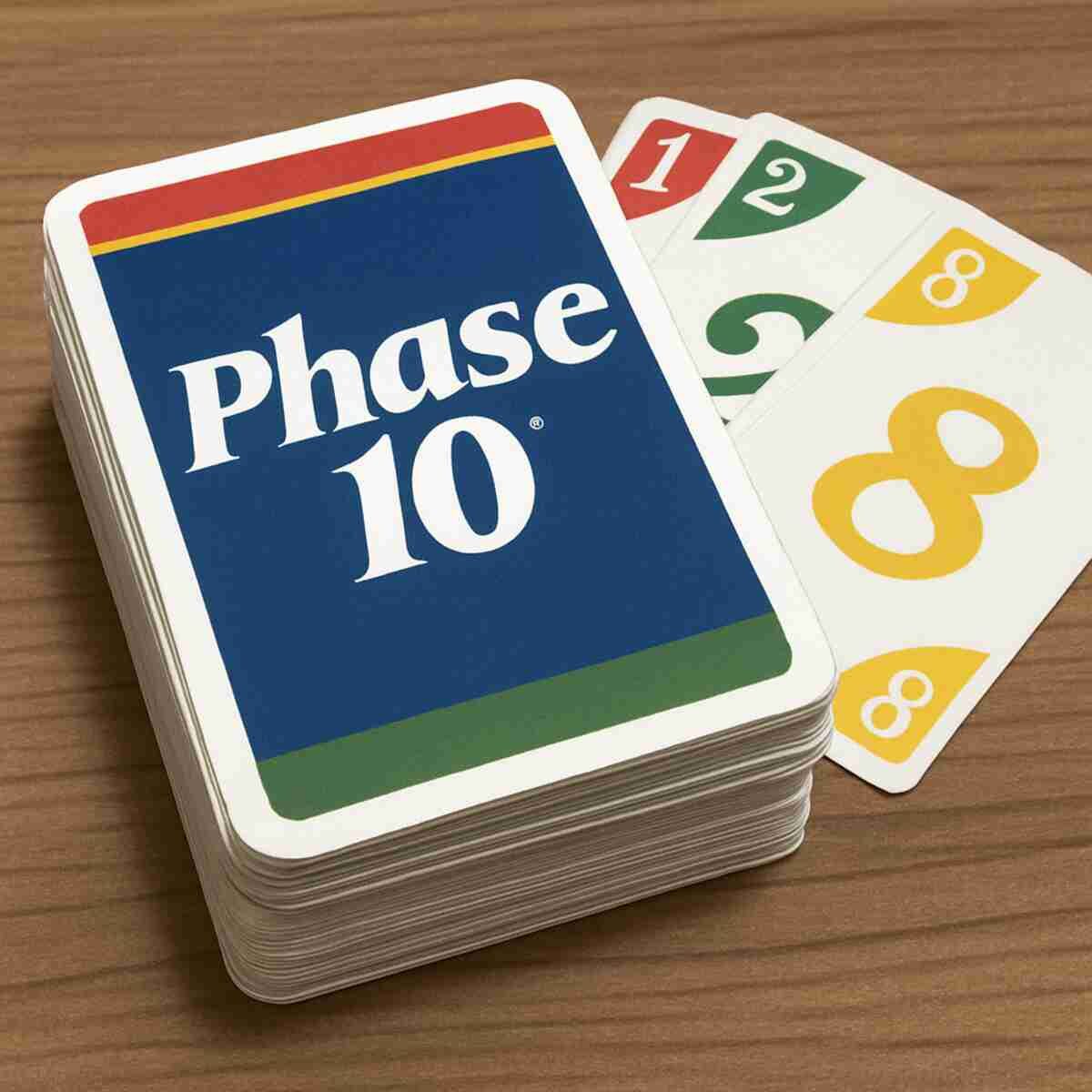
Before diving into advanced strategies, let’s cover the essentials of Phase 10. The game is played with a special deck of cards, and the objective is to complete 10 phases in order. Each phase has a specific combination of cards that you must collect, such as sets of numbers, runs of numbers, or cards of the same color. To find more, check on Login tameng78
Phase 10 Rules
Knowing the rules is crucial for planning your game strategy. Here’s a quick refresher:
- Phases: Each player must complete phases in order, starting from Phase 1 to Phase 10. Each phase requires a different set or run of cards, and understanding these requirements is the foundation of your strategy.
- Turns: On each turn, a player draws a card from either the deck or the discard pile and then discards one card. This simple action can have profound implications on your strategy, as it involves both building your hand and disrupting your opponents’.
- Completing a Phase: Once you have the required cards for a phase, lay them down in front of you. Timing is crucial here, as laying down cards too early or too late can impact the entire game.
- Winning: The game ends when a player completes all 10 phases. The player with the lowest score wins. This means that while completing phases is important, minimizing your score is equally critical.
Scoring in Phase 10
Points are accumulated based on the cards remaining in your hand when someone completes a phase. Cards are worth the following:
- Number Cards (1-9): 5 points each. These cards are common and can quickly add up if left in your hand.
- Number Cards (10-12): 10 points each. Consider discarding these higher-point cards unless they are pivotal for your current or next phase.
- Skip Cards: 15 points each. These cards are double-edged swords; valuable for disrupting opponents but costly if left in your hand.
- Wild Cards: 25 points each. Their versatility makes them powerful, but they can also heavily penalize your score if not used strategically.
Top Strategies for Winning
Now that you have the basics down, let’s explore some strategies to improve your gameplay.
Keep an Eye on Opponents
Understanding your opponents’ strategies is crucial. Pay attention to the cards they pick and discard. This can give you clues about the phase they are trying to complete and help you adjust your strategy accordingly. If an opponent is close to completing their phase, consider holding onto cards they might need to slow them down.
- Observe Discards: By watching what your opponents discard, you can infer which phases they are working on and adapt your strategy to either assist or hinder them.
- Monitor Draws: Keep an eye on whether they draw from the deck or the discard pile. This can reveal a lot about the cards they might be missing or collecting.
- Behavioral Cues: Players often reveal their hand strength through subtle behaviors—such as hesitation or frustration—which can provide strategic insights.
Maximize the Use of Wild Cards
Wild cards are your best friend in Phase 10. They can substitute for any card, making them incredibly versatile. Use wild cards strategically to complete phases quickly. However, be cautious about discarding them—only do so if you’re certain it won’t benefit your opponents.
- Completing Phases: Wild cards can turn an almost-complete phase into a finished one. Use them to swiftly move through the game when you’re close to completion.
- Disruption Tactics: Consider holding wild cards to disrupt opponents’ strategies by making them believe you need a specific card.
- Risk Management: Balance the risk of holding wild cards for future phases against the immediate advantage they offer.
Plan for Future Phases
While it’s essential to focus on your current phase, always have an eye on future phases. This foresight allows you to make strategic decisions about which cards to keep for upcoming phases, potentially saving you time and turns in the long run.
- Phase Anticipation: Knowing the sequence of phases helps in making informed decisions about which cards to hold onto.
- Card Versatility: Retain cards that have dual utility in current and future phases to maximize their value.
- Long-Term Strategy: Consider how your current actions will affect your ability to complete future phases, especially in closely contested games.
Manage Your Hand Wisely
Efficient hand management can make or break your game. Aim to keep your hand as low-scoring as possible to minimize points if someone goes out before you complete your phase. Prioritize discarding high-point cards unless they are critical for your current or next phase.
- Low-Score Focus: Regularly assess your hand to ensure that you are not accumulating unnecessary high-point cards.
- Critical Analysis: Decide which high-point cards are worth holding based on their potential to complete your current or future phases.
- Flexibility: Be willing to adjust your strategy based on the evolving dynamics of the game and your opponents’ actions.
Use Skip Cards Tactically
Skip cards are powerful tools for disrupting your opponents’ plans. Use them strategically to block players who are close to completing a phase. Timing is everything, so use skip cards when it will cause the most disruption.
- Disruption Timing: Wait for the most opportune moment to play skip cards, ideally when it will cause maximum disruption to your opponents.
- Strategic Blocking: Target players who are leading or close to completing crucial phases to delay their progress.
- Psychological Edge: Use skip cards to unsettle opponents and force them into making mistakes or altering their strategies.
Practice Makes Perfect
As with any game, practice is key to mastering Phase 10. The more you play, the better you’ll become at recognizing patterns, anticipating opponents’ moves, and refining your strategy.
Play with Different Groups
Playing with different people exposes you to various strategies and styles. Each group of players will have their own approach, and adapting to different playstyles can enhance your versatility and strategic thinking.
- Diverse Experience: Engage with different player groups to experience a variety of strategies and tactics.
- Adaptive Thinking: Learning to adjust your playstyle based on different opponents can significantly improve your game.
- Challenge Yourself: Testing your strategies against a range of skill levels helps identify strengths and areas for improvement.
Utilize Online Platforms
Incorporating online platforms into your practice routine can be a game-changer. They offer the opportunity to play at any time and learn from a global pool of players.
- Convenience: Online platforms provide the flexibility to play anytime, allowing for more frequent practice.
- Diverse Opponents: Compete against players from around the world to gain exposure to varied strategies and styles.
- Learning Tools: Utilize features like tutorials and analysis tools offered by many online platforms to enhance your understanding of the game.
Analyze Your Games
Reflecting on your past games is a valuable practice tool. By analyzing your successes and mistakes, you can continuously refine your strategies.
- Game Review: After each game, take a moment to evaluate what worked and what didn’t in your strategy.
- Identify Patterns: Look for recurring patterns in your play that could be improved or capitalized upon.
- Strategic Adjustments: Use insights from past games to make strategic adjustments in future matches.
Advanced Techniques
Once you’re comfortable with the basic strategies, consider incorporating these advanced techniques into your gameplay.
Card Counting
While not as complex as card counting in blackjack, keeping track of cards that have been played can give you an edge. This technique helps you predict which cards are still in play and make informed decisions about which cards to keep or discard.
- Memory Skills: Enhance your memory by practicing the recall of played cards, which aids in anticipating future draws.
- Predictive Strategy: Use your knowledge of remaining cards to make strategic decisions about which cards to discard or keep.
- Opponent Anticipation: Predict your opponents’ potential moves by considering which cards are likely in their hands.
Bluffing
Bluffing isn’t just for poker—it can be a useful tactic in Phase 10 as well. Occasionally discard cards that suggest you’re working on a different phase to mislead your opponents. This can cause them to waste turns or hold onto cards unnecessarily.
- Deceptive Plays: Intentionally discard cards that mislead opponents about your current phase objectives.
- Psychological Manipulation: Use bluffing to manipulate opponents into making strategic errors or holding unnecessary cards.
- Timing and Precision: Execute bluffs with precision and timing to maximize their effectiveness without compromising your own strategy.
Strategic Alliances
In some games, forming temporary alliances can be beneficial. Collaborating with other players to block a leading opponent can shift the game dynamics in your favour.
- Temporary Teams: Identify situations where collaborating with another player can help achieve mutual goals.
- Dynamic Adjustments: Be ready to adjust or dissolve alliances based on changing game circumstances.
- Trust and Deception: Balance trust and deception carefully when forming alliances to avoid betrayal.
Conclusion
Winning Phase 10 requires a blend of strategy, observation, and adaptability. By understanding the rules, keeping an eye on your opponents, and employing strategic use of wild and skip cards, you’ll be well on your way to becoming a Phase 10 master. Remember, practice makes perfect, so gather your friends, shuffle the deck, and enjoy the journey of mastering this exciting card game. Happy playing!
By implementing these strategies, you’ll not only improve your chances of winning but also enhance your overall enjoyment of the game. Whether you’re playing with family or friends, Phase 10 offers endless fun and opportunities for strategic thinking. So, get out there and show your opponents what you’re made of!
